
Imagine biting into a spoonful of sweet, creamy coconut rice, perfectly complemented by the luscious, tropical sweetness of ripe mango. Mango Sticky Rice isn’t just a dessert; it’s sunshine on a spoon, a flavor vacation in every bite.
This dish whisks you away to a sun-drenched beach with its vibrant flavors and satisfying textures, making every occasion feel like a special celebration. Ready for a tropical escape?
Here are some of the reasons why you’ll adore this Mango Sticky Rice:
- It’s surprisingly easy to make, even if you think you can’t boil water without setting off the smoke alarm.
- The combination of creamy coconut rice and sweet mango creates a flavor explosion that will leave you craving more.
- Its vibrant colors and appealing presentation make it a stunning dessert that’s perfect for impressing your friends and family.
- Enjoy it warm or cold; it’s a versatile treat that’s perfect for breakfast, dessert, or a delightful snack any time of the day.
Ingredients for Mango Sticky Rice
Here’s what you’ll need to make this delicious dish:
The full ingredients list, including measurements, is provided in the recipe card directly below.
How to Make Mango Sticky Rice
Follow these simple steps to prepare this delicious dish:
Step 1: Rinse the Rice
Rinse the glutinous rice under cold water until the water runs clear. This helps remove excess starch, resulting in a better texture.
Step 2: Soak the Rice
Place the rinsed rice in a bowl and cover it with water. Soak for at least 4 hours, or preferably overnight, to soften the rice grains.
Step 3: Steam the Rice
Drain the soaked rice and place it in a steamer basket lined with cheesecloth or parchment paper. Steam over medium heat for about 20-25 minutes, or until the rice is cooked through and sticky.
Step 4: Prepare the Sweetened Coconut Milk
While the rice is steaming, combine 1 can of coconut milk, half of the sugar, and a pinch of salt in a saucepan. Heat over low heat, stirring until the sugar is dissolved. Do not boil.
Step 5: Mix Rice with Coconut Milk
Once the rice is cooked, transfer it to a bowl and gently stir in about two-thirds of the sweetened coconut milk. Let the rice absorb the coconut milk for about 15-20 minutes, stirring occasionally.
Step 6: Make the Thickened Coconut Sauce
In a separate saucepan, combine the remaining coconut milk, remaining sugar, cornstarch, and a pinch of salt. Cook over low heat, stirring constantly, until the sauce thickens slightly. This usually takes just a few minutes.
Step 7: Serve and Enjoy
Peel and slice the ripe mangoes. Serve the sticky rice with the sliced mangoes, and drizzle generously with the thickened coconut sauce. Sprinkle with sesame seeds for added flavor and texture. Enjoy immediately!
Perfecting the Cooking Process
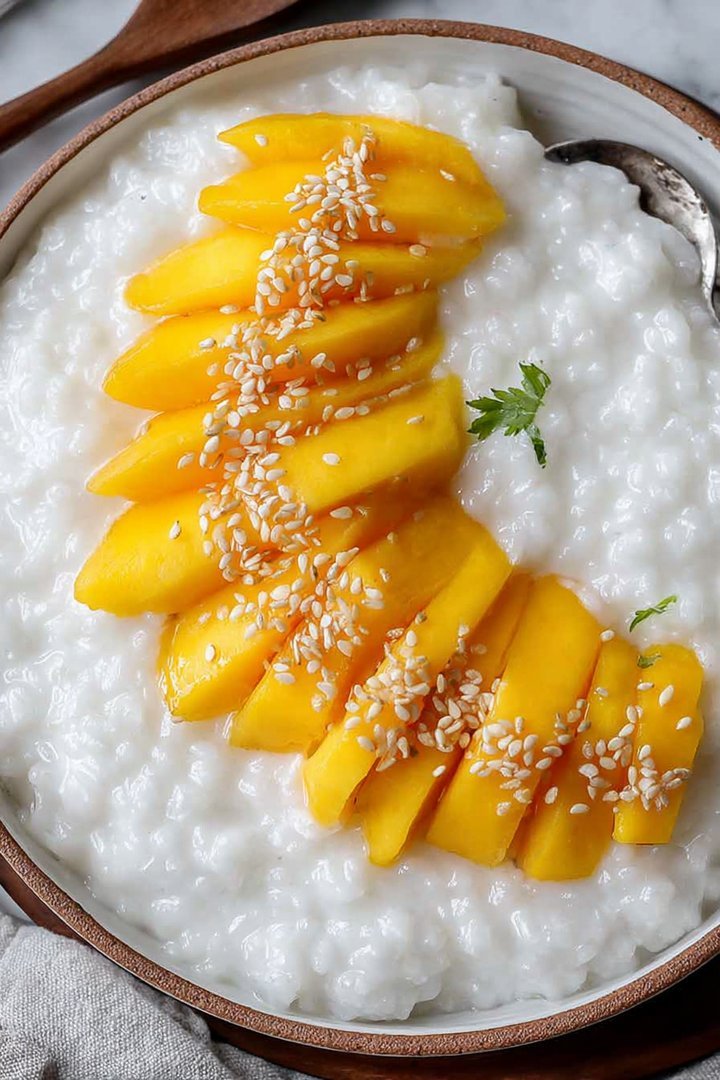
To make life easier, start cooking the rice first. While it simmers away, you can prepare the luscious coconut sauce and slice up those juicy mangoes. This way, everything comes together perfectly at the same time, hot rice meets sweet sauce and fresh mangoes!
Add Your Touch
Feeling adventurous? Try adding a pinch of cardamom or ginger to the coconut sauce for an extra layer of warmth. For a tangy twist, a squeeze of lime juice over the finished dish brightens up all the flavors. If you don’t have fresh mangoes, peaches will work wonderfully too.
Storing & Reheating
Got leftovers? Lucky you! Store the rice and coconut sauce separately in airtight containers in the fridge. When ready to enjoy, gently reheat the rice in the microwave with a splash of water, and drizzle with the cold coconut sauce. Fresh mango is best enjoyed immediately, so cut it right before serving.
Here are some tips for absolute Mango Sticky Rice mastery:
- Rinse the sticky rice thoroughly before cooking to remove excess starch, which results in a fluffier, less gummy texture.
- Don’t skimp on the coconut milk! Using full-fat coconut milk makes the sauce rich and creamy, which is essential for that authentic taste.
- Let the sticky rice cool slightly before adding the coconut sauce; this allows the rice to absorb the sauce better and prevents it from becoming too soggy.
(Personal anecdote formated as paragraph subheading)
I remember the first time I made this for my friends. They devoured it so quickly; they asked for seconds and thirds! The empty bowls and happy smiles made all the effort totally worth it.
Mango Sticky Rice—it’s more than just a dessert; it’s an experience. A delightful dance of textures and tastes that can transport you to a tropical paradise with every bite. But let’s be honest, navigating the world of sticky rice can feel like trying to solve a Rubik’s Cube blindfolded. Fear not, intrepid foodie, because I’m here to guide you through the process with a healthy dose of humor and some seriously delicious results.
Decoding the Rice: Sticky Situations and Solutions
First things first, let’s talk about the rice. We’re not talking about your average, run-of-the-mill long-grain here. No, we need the real deal: glutinous rice, also known as sweet rice or sticky rice. Despite the name, it doesn’t actually contain gluten, so gluten-free folks, rejoice! Finding the right rice is half the battle. Look for it at Asian grocery stores or online; it’s worth the extra effort.
Now, the cooking process. You can’t just toss it in a pot and hope for the best. Traditionally, sticky rice is steamed, which yields the best texture. But if you don’t have a steamer, don’t sweat it. A pot with a tight-fitting lid will do just fine. Just make sure to rinse the rice thoroughly first. This removes excess starch and prevents a gummy, clumpy mess. We’re aiming for separate, plump grains of rice that stick together, in a good way.
The Soak: A Necessary Ritual
Before you even think about cooking, you need to soak the rice. Overnight is ideal, but at least four hours will do the trick. This rehydrates the grains, ensuring they cook evenly and become wonderfully sticky. Think of it as giving your rice a spa day; it’ll come out feeling refreshed and ready to mingle with that luscious coconut sauce.
Steaming vs. Boiling: The Great Debate
Okay, let’s talk methods. Steaming is the gold standard, no doubt about it. The rice cooks gently and evenly, resulting in a perfectly fluffy texture. If you have a bamboo steamer, pat yourself on the back and get to work. If not, a metal steamer basket placed inside a pot works just as well.
But what if you’re steamer-less? Don’t despair! You can cook sticky rice in a pot, similar to how you cook regular rice. The key is to use just enough water to cover the rice and keep a close eye on it. Once it comes to a boil, reduce the heat to low, cover, and let it simmer until all the water is absorbed. Just be sure to fluff it with a fork afterward to prevent sticking.
Coconut Cream Dream: Sauce So Good, You’ll Want to Drink It
Now for the star of the show: the coconut sauce. This is where the magic happens, folks. We’re talking creamy, sweet, and slightly salty goodness that elevates the sticky rice to a whole new level. And the best part? It’s ridiculously easy to make.
All you need is full-fat coconut milk (the richer, the better), sugar (palm sugar is traditional, but granulated sugar works just fine), a pinch of salt, and a thickener. For the thickener, you can use cornstarch or tapioca starch mixed with a little water. This prevents the sauce from being too runny and gives it that luxurious, velvety texture.
The Secret Ingredient: A Pinch of Salt
Don’t underestimate the power of salt in a sweet dish. It might seem counterintuitive, but a pinch of salt enhances the sweetness and balances out the flavors. It’s like the secret agent of the culinary world, working behind the scenes to make everything taste better.
Simmer, Don’t Boil: Gentle Heat is Key
When making the coconut sauce, resist the urge to crank up the heat and boil it like crazy. Gentle simmering is the way to go. This allows the flavors to meld together and prevents the sauce from curdling or separating. Patience, my friends, is a virtue in the kitchen.
Mango Mania: Choosing the Perfect Fruit
Ah, the mango. The golden jewel of this dish. But not just any mango will do. You want ripe, juicy, and fragrant mangoes that are bursting with flavor. Honey mangoes (also known as Ataulfo mangoes) are my personal favorite; they’re incredibly sweet and have a smooth, creamy texture. But any variety of ripe mango will work.
The Squeeze Test: How to Tell if a Mango is Ripe
The best way to tell if a mango is ripe is to give it a gentle squeeze. It should yield slightly to pressure, like a ripe avocado. Avoid mangoes that are rock hard or have bruises or blemishes. And don’t rely on color alone; some mangoes stay green even when they’re ripe.
Slicing and Dicing: Presentation Matters
Presentation is key, my friends. The way you slice and arrange the mangoes can make all the difference. I like to cut the mango into thin slices and fan them out on top of the sticky rice. It looks elegant and allows you to get a little bit of mango in every bite.
The Grand Finale: Assembling Your Mango Sticky Rice Masterpiece
Alright, you’ve got your perfectly cooked sticky rice, your luscious coconut sauce, and your ripe, juicy mangoes. Now it’s time to bring it all together.
First, scoop a generous portion of sticky rice onto a plate or bowl. Then, drizzle with plenty of coconut sauce. Don’t be shy; the sauce is what makes this dish so irresistible. Finally, arrange the mango slices on top and garnish with a sprinkle of sesame seeds or toasted coconut flakes, if you’re feeling fancy.
Warm Rice, Cold Sauce: The Temperature Contrast
One of the things that makes Mango Sticky Rice so delightful is the contrast between the warm rice and the cold sauce. The warm rice soaks up the sauce beautifully, while the cold sauce provides a refreshing counterpoint. It’s a match made in culinary heaven.
Eat It With a Spoon: Embrace the Mess
Forget forks and knives. Mango Sticky Rice is meant to be eaten with a spoon, or even your hands, if you’re feeling adventurous. Embrace the mess and enjoy every last bite.
(Personal anecdote formated as paragraph subheading)
Once, I accidentally used salted coconut cream instead of regular. It was… interesting. Definitely not my finest culinary moment, but hey, even chefs make mistakes! Now I triple-check the label every time.
Variations and Twists: Mango Sticky Rice Remix
Okay, so you’ve mastered the classic version. Now it’s time to get creative. Mango Sticky Rice is a versatile dish that can be adapted to suit your taste preferences.
Other Fruits: Beyond Mangoes
While mangoes are the traditional choice, you can experiment with other fruits. Ripe bananas, jackfruit, or even strawberries would be delicious. Just make sure to choose fruits that are sweet and have a soft texture.
Flavor Infusions: Spices and Herbs
Want to add a little extra oomph to your Mango Sticky Rice? Try infusing the coconut sauce with spices or herbs. A pinch of cardamom, ginger, or even a sprig of lemongrass would add a unique flavor dimension.
Toppings Galore: Get Creative with Garnishes
Don’t be afraid to get creative with your toppings. Toasted sesame seeds, shredded coconut, chopped nuts, or even a drizzle of chocolate sauce would all be delicious. The sky’s the limit!
Troubleshooting: Common Mistakes and How to Avoid Them
Even with the best instructions, things can sometimes go wrong in the kitchen. Here are some common mistakes people make when making Mango Sticky Rice and how to avoid them:
Rice is Too Gummy: Not Rinsing Properly
The most common mistake is not rinsing the rice properly. This removes excess starch and prevents the rice from becoming too gummy. Rinse the rice until the water runs clear.
Sauce is Too Runny: Not Enough Thickener
If your coconut sauce is too runny, it means you didn’t use enough thickener. Mix a little more cornstarch or tapioca starch with water and add it to the sauce.
Mangoes are Not Ripe: Patience is Key
If your mangoes are not ripe, there’s not much you can do except wait. Place them in a paper bag at room temperature to speed up the ripening process.
Mango Sticky Rice: A Dessert Worth Sharing
In conclusion, Mango Sticky Rice is a delightful and satisfying dessert that’s perfect for any occasion. It’s easy to make, customizable, and guaranteed to impress your friends and family. So go ahead, give it a try. You might just discover your new favorite dessert. And remember, even if you make a few mistakes along the way, it’s all part of the learning process. Just keep cooking, keep experimenting, and most importantly, keep eating!
Conclusion for Mango Sticky Rice
Mango Sticky Rice is more than just a dessert; it’s a delightful experience. The combination of sweet, fragrant mangoes and warm, comforting sticky rice drenched in creamy coconut sauce is simply divine. Remember to use ripe mangoes, avoid overcooking the rice, and don’t be shy with the coconut sauce! It’s a simple yet satisfying treat that’s perfect for any occasion. So go ahead, indulge in this tropical delight and let your taste buds dance!
Print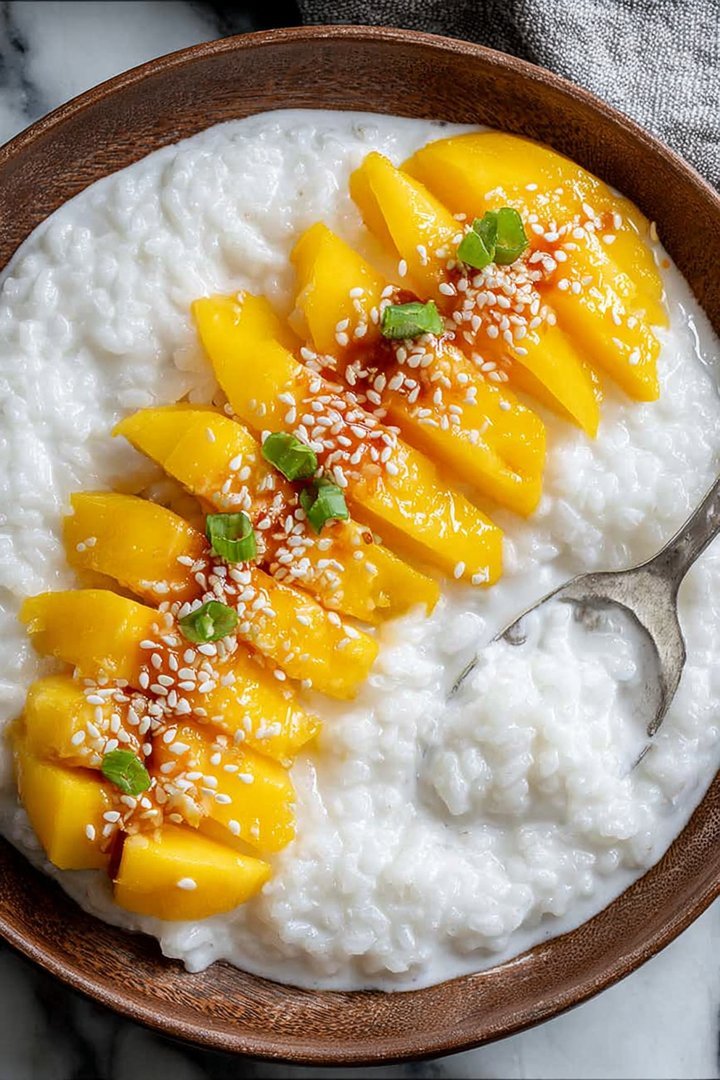
Mango Sticky Rice
Delicious mango sticky rice recipe with detailed instructions and nutritional information.
- Total Time: 35 minutes
- Yield: 4 servings
Ingredients
- Sweet glutinous rice: 1.5 cups
- Coconut milk: 2 cans (13.5 oz each)
- Ripe mangoes: 2-3, peeled and sliced
- Sugar: 1/2 cup (or more to taste)
- Salt: 1/4 teaspoon
- Water: 1 cup
- Sesame seeds (optional): 1 tablespoon
- Pandan leaves (optional): 2-3 leaves
Instructions
- Step 1: Rinse the glutinous rice thoroughly and soak it in water for at least 4 hours, or preferably overnight. Drain the rice well.
- Step 2: Place the drained rice in a steamer lined with cheesecloth or a banana leaf. Steam for about 20-25 minutes, or until the rice is cooked through and sticky. If using, tie pandan leaves into a knot and place on top of the rice for added flavor.
- Step 3: While the rice is steaming, prepare the sweet coconut milk sauce. In a saucepan, combine 1 can of coconut milk, sugar, and salt. Heat over medium heat, stirring constantly until the sugar is dissolved. Do not boil. Remove from heat.
- Step 4: Once the rice is cooked, transfer it to a bowl and pour about 3/4 of the sweet coconut milk sauce over the rice. Stir gently to combine, ensuring the rice is evenly coated. Let it sit for about 15-20 minutes to absorb the sauce.
- Step 5: In a separate saucepan, heat the remaining 1 can of coconut milk with a pinch of salt. This will be the topping. Simmer gently for a few minutes.
- Step 6: To serve, scoop the sticky rice onto a plate, arrange the sliced mangoes alongside, drizzle with the remaining thickened coconut milk, and sprinkle with sesame seeds, if desired.
Notes
- Leftover mango sticky rice can be stored in the refrigerator for up to 2 days; it's best enjoyed fresh, but still tasty chilled!
- To reheat, gently steam the rice again or microwave in short bursts with a splash of water to prevent it from drying out.
- For a delightful presentation, try layering the sticky rice and mango slices in a small glass or ramekin.
- Don't be afraid to adjust the amount of sugar in the coconut milk sauce to perfectly complement the sweetness of your mangoes!
- Prep Time: 15 minutes
- Cook Time: 20 minutes
- Method: Stovetop
- Cuisine: American
FAQs
What’s the best type of mango to use for Mango Sticky Rice?
Okay, friends, listen up! Choosing the right mango for this dessert is like casting the perfect actor for a movie role. You need sweetness, you need firmness, and you need that gorgeous golden hue. Honey mangoes, also known as Ataulfo mangoes, are my personal go-to. They’re wonderfully sweet and have a smooth, creamy texture that complements the sticky rice perfectly. If you can’t find those, Alphonso mangoes or even perfectly ripe Tommy Atkins mangoes will do the trick. Just promise me you won’t use those rock-hard green ones; they’re better left for pickles!
Can I make Mango Sticky Rice ahead of time?
Well, you *could*, but like a perfectly timed joke, some things are best enjoyed fresh! The sticky rice is at its absolute prime when it’s still warm and slightly gooey. If you absolutely must make it ahead, prepare the rice and the coconut sauce separately. Store them in the refrigerator, and then gently reheat the rice (steaming is best) before serving. Slice the mango right before serving to prevent it from drying out. It won’t be *quite* as amazing as freshly made, but still pretty darn delicious!
How do I prevent my sticky rice from being too mushy?
Ah, the million-dollar question! Mushy rice is the culinary equivalent of stepping in a puddle with socks. The key is in the soaking and steaming. Don’t skip the soaking step; it allows the rice to cook evenly. And for the love of all things delicious, use the correct amount of water when steaming! Too much water is a one-way ticket to mush-ville. Start with less water; you can always add more if needed. Remember, patience is a virtue, especially when dealing with sticky rice.
Is there a substitute for coconut milk in this dessert?
Alright, let’s address the elephant in the kitchen. While coconut milk is the soul of this dessert, I understand some folks might want alternatives. If you’re looking to cut down on richness, you can try using a mix of coconut milk and almond milk (unsweetened, please!). It will lighten the flavor a bit, but still give you a creamy texture. Another option is to use a thick cashew cream, although the flavor will be noticeably different. Honestly though, if you’re going to skip the coconut milk entirely, maybe try a different dessert! It’s what makes Mango Sticky Rice special.





Leave a Comment