
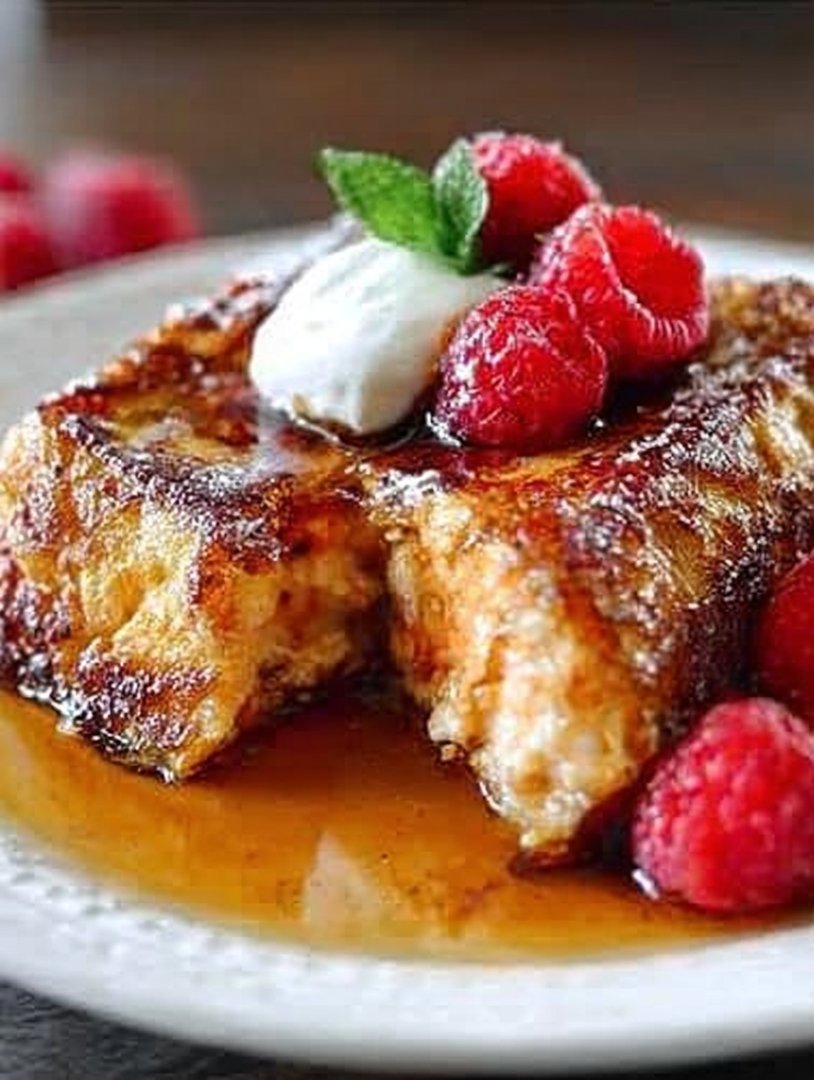
There is no better sound on a Sunday morning than the crack of caramelized sugar. Forget tedious flipping; the sheer elegance of makingOvernight Crème Brûlée French Toastis my secret weapon against rushed weekend mornings.
Prepare this custard-soaked bread the night before, and wake up to a silky, rich breakfast that tastes profoundly decadent without requiring actual early morning effort.
- This incredible make-ahead recipe drastically simplifies brunch preparation, allowing you to spend more quality time with your family and less time stressing over the stove.
- Achieve a perfect contrast of textures: crispy, shattered caramel on top, shielding a warm, gooey, vanilla-infused center that melts in your mouth.
- The beautiful, golden-brown crust and glistening caramel layer make this dish visually stunning, perfect for holiday gatherings or special celebrations.
- Easily adaptable to suit different tastes; add fresh berries, toasted nuts, or a dash of cardamom to customize the flavor profile effortlessly.
Ingredients for Overnight Crème Brûlée French Toast
Here’s what you’ll need to make this delicious dish:
- BreadChoose a high-quality, dense bread like challah or brioche, preferably slightly stale, as this prevents the bread from turning mushy when soaked.
- EggsUse large eggs to create a rich and sturdy custard base that binds the baked French toast together beautifully.
- Heavy Cream and Whole MilkThe combination of these two dairy items provides the essential richness and creamy texture characteristic of authentic crème brûlée.
- Granulated SugarThis is used both in the custard and, most importantly, sprinkled on top right before the final caramelization stage.
- Brown Sugar and ButterThese two components are melted together and form the foundational caramelized layer at the bottom of the baking dish.
- Alcohol-Free Vanilla ExtractUse pure alcohol-free vanilla extract for the best flavor, ensuring the custard has that classic, aromatic sweetness.
- Cinnamon and NutmegJust a pinch of these warming spices adds depth and complexity to the overall flavor profile of the breakfast casserole.
- SaltA small amount of fine salt helps balance the intense sweetness of the sugar and enhances all the other flavors present in the dish.
The full ingredients list, including measurements, is provided in the recipe card directly below.
How to Make Overnight Crème Brûlée French Toast
Follow these simple steps to prepare this delicious dish:
-
Step 1: Prepare the Caramel Base
Melt the butter and brown sugar together in a small saucepan over medium heat, stirring until the sugar fully dissolves and the mixture is smooth. Pour this rich caramel mixture evenly into a 9×13 inch baking dish; it will become the bottom crust.
-
Step 2: Arrange the Bread
Slice the brioche or challah bread into thick, manageable slices, approximately one inch thick, or cut it into large cubes. Arrange the slices or cubes tightly in a single layer over the caramel base in the prepared baking dish.
-
Step 3: Whisk the Custard
In a large bowl, vigorously whisk together the eggs, heavy cream, whole milk, granulated sugar, alcohol-free vanilla extract, cinnamon, nutmeg, and salt until the mixture is uniform and slightly frothy. Ensure no streaks of egg yolk remain visible in the custard.
-
Step 4: Soak and Chill Overnight
Carefully pour the custard mixture slowly and evenly over the arranged bread, ensuring every piece is thoroughly saturated with the liquid. Cover the dish tightly with plastic wrap and refrigerate for a minimum of eight hours, but ideally twelve hours, allowing the bread to fully absorb the rich custard.
-
Step 5: Bake the French Toast
The next morning, preheat your oven to 350°F (175°C) and remove the French toast from the refrigerator 30 minutes before baking. Bake the casserole uncovered for 45 to 55 minutes, or until the top is golden brown and a knife inserted near the center comes out relatively clean.
-
Step 6: Caramelize the Top
Remove the baked French toast from the oven and let it rest for five minutes. Sprinkle a generous, even layer of granulated sugar (about ¼ cup) over the entire surface. Use a kitchen torch to quickly caramelize the sugar until it turns deep amber and forms a hard, shattery crust. Alternatively, broil briefly, watching carefully to prevent burning.
Transfer to plates and serve immediately with fresh berries, a dusting of powdered sugar, or a light drizzle of maple syrup for the perfect finishing touch.
The Magic Behind Overnight Crème Brûlée French Toast
I stumbled upon the idea of merging the two most luxurious breakfast experiences—creamy French toast and crackling crème brûlée—after a particularly hectic holiday season. Everyone loves brunch, but nobody loves waking up at 5:00 AM to execute it perfectly. That is where the magic of the overnight soak truly transforms the process. By letting the bread steep in the vanilla-infused custard for hours, you achieve a depth of flavor and tenderness that simple dipping can never replicate. The bread swells, drinks in every drop of cream, and essentially becomes a baked dessert disguised as breakfast. This preparation method means the structure is sound, the interior is creamy, and your only morning task is popping it into the oven and performing the dramatic final caramelizing flourish.
This recipe forOvernight Crème Brûlée French Toastis truly a game changer, eliminating the stress often associated with entertaining guests for breakfast. Imagine serving a breakfast that sounds incredibly complicated and fancy, yet required almost no effort the morning of the event. When your guests hear that familiar, delightful crack of the spoon breaking through the caramelized shell, they will assume you possess culinary superpowers. The secret, however, is simply advance planning and a generous quantity of heavy cream. We leverage the resting time not just for convenience, but for crucial texture development, ensuring the finished baked French toast is simultaneously custardy inside and crisp around the edges.
Choosing the Best Bread for a Superior Soak
The success of this decadent breakfast casserole hinges almost entirely on the type of bread you select. You must use a robust, slightly sturdy loaf that can withstand the extensive soaking required. Avoid standard sandwich bread at all costs; it possesses far too little structural integrity and will result in a soggy, unappealing mess. My personal preference is brioche because its high butter and egg content makes it inherently rich and dense, guaranteeing a beautiful texture when baked. Challah is another exceptional choice, offering a tight crumb that absorbs the liquid without falling apart. Ideally, use bread that is a day or two old because the slight staleness helps it absorb the custard without becoming saturated too quickly, maintaining its shape throughout the baking process.
Expert Tips for a Flawless Caramel Crust
The crème brûlée topping is the crowning glory of this dish, offering that magnificent, audible contrast to the soft, warm interior. If the top is merely toasted, you have missed the point; we need a proper, hard, shattery caramel shell. Mastering this final step requires precision and a watchful eye, regardless of whether you are a novice or an experienced home cook.
Achieving Maximum Crispness
Before you even consider caramelizing, you must ensure the bread casserole is cooked perfectly. Bake the French toast until it is golden brown and set in the middle, confirming that all the liquid has been fully absorbed or evaporated. If the custard is still wobbly, the residual moisture will soften your crisp topping instantly. Once baked, resting the dish for five minutes helps the surface cool slightly before applying the final layer of sugar. This minor temperature difference assists in creating a clearer, harder sugar glass when heat is reapplied.
The Art of the Caramelization
While you can achieve caramelization in your oven using the broiler, a kitchen torch offers infinitely greater control and superior results. If you use a broiler, place the rack about six inches from the heat source and watch the dish constantly; this process takes less than 60 seconds and can go from perfect to charcoal instantly. If using a torch, hold the flame about two inches away from the sugar, moving it constantly in small circular motions. Aim for an amber color—not dark brown—to ensure the caramel is sweet, not bitter. If you find any patches of sugar that have not melted, apply the flame to those areas until the crust is uniform, hard, and glistening.
Frequently Asked Questions (FAQ)
Can I prepare this Overnight Crème Brûlée French Toast entirely the morning of?
While technically possible, I strongly advise against it; skipping the overnight rest severely compromises the texture. If time is critically short, allow the assembled dish to soak for at least two hours at room temperature to ensure adequate custard absorption before baking.
What if I do not own a kitchen torch?
You can use the broiler setting on your oven, but exercise extreme caution. Place the baking dish under a hot broiler for 30 to 90 seconds, checking every five seconds, as the sugar will melt and darken extremely quickly. Always use granulated sugar for this step, as brown sugar contains too much moisture for a proper hard crack.
How should I store leftovers of the baked French toast?
Store any leftovers tightly covered in the refrigerator for up to three days. Note that the caramel crust will soften over time due to moisture from the bread. You can reheat individual portions in the oven or toaster oven to try and crisp the surface slightly.
Can I add fruit or nuts to the casserole?
Absolutely, adding flavor is encouraged! Try scattering pecans or walnuts between the bread slices before pouring the custard for a lovely crunch. If adding fruit, use hard fruits like diced apples or pears underneath the bread, but save soft fruits like berries for serving as a garnish, as they release too much liquid during the overnight soak and bake time.
The Legend of the Sleepy Saturday Brunch
There exists a universal truth about weekends: we desperately want a spectacular breakfast, but we absolutely refuse to wake up early enough to actually cook it. We dream of fancy, bistro-worthy dishes—the kind that require whisking, flipping, and fussing—but reality usually delivers cold cereal and regret. For years, my Saturday mornings were a battlefield of conflicting desires: the yearning for decadence versus the need for total, undisturbed slumber. This conflict finally led me to devise a breakfast so brilliant, so utterly hands-off, that it felt like cheating. This, my friends, is not just French toast; this is the culinary equivalent of hiring a live-in pastry chef who works while you sleep.
Imagine sliding out of bed, still half-asleep, and being greeted by the comforting aroma of baked vanilla and cinnamon. No messy assembly required, just a quick trip to the oven. This dish transforms stale bread and a simple custard into a glorious, creamy, and slightly crunchy masterpiece. It’s the perfect solution for holiday brunches, impressive guest breakfasts, or simply proving to your family that you are capable of magic before 9 AM. Forget complicated weekend menus; we are embracing the glory of preparation that takes mere minutes the night before.
Why Overnight Crème Brûlée French Toast Changes Everything
The magic ingredient here is time. By allowing the thick slices of brioche or challah to luxuriate in a sweet, spiced custard bath overnight, the bread absorbs every ounce of flavor, achieving an impossibly tender texture. When it bakes the next day, it puffs up, creating a casserole that is simultaneously custardy in the middle and delightfully chewy around the edges. But we don’t stop there. The final, spectacular twist is the application of the signature Crème Brûlée topping—a quick layer of caramelized sugar that shatters dramatically when tapped with a spoon. This is the ultimate make-ahead brunch dish, delivering maximum impact for minimal morning effort: the ultimateOvernight Crème Brûlée French Toast.
Gathering Your Dessert Arsenal: Ingredients List
For the French Toast Base
- 1 large loaf (about 1 pound) of Brioche or Challah bread, sliced into 1-inch thick pieces or cut into cubes
- 4 tablespoons unsalted butter, melted, plus extra for greasing
- ½ cup packed light brown sugar
- 1 teaspoon ground cinnamon
For the Custard Soak
- 6 large eggs
- 1 cup whole milk
- 1 cup heavy cream
- ½ cup granulated sugar
- 1 tablespoon alcohol-free vanilla extract
- ½ teaspoon ground nutmeg
- Pinch of salt
For the Crème Brûlée Topping
- ¼ cup granulated sugar (or turbinado sugar for a deeper crunch)
The Preparation Playbook: Assembling Your Overnight Masterpiece
The Custard Soak
Start your journey the evening before you plan to bake. First, grease a 9×13 inch baking dish liberally with butter. In a small bowl, whisk together the ½ cup of brown sugar and 1 teaspoon of cinnamon. Sprinkle this mixture evenly over the bottom of the prepared dish. This creates a sticky, delicious foundation for the bread to bake into.
Next, arrange the bread slices or cubes tightly in a single layer over the brown sugar mixture. If you are using sliced bread, slightly overlap the pieces like dominoes. If you are using cubes, simply spread them out to cover the base. Set this aside.
In a large bowl, prepare the custard. Whisk together the eggs until they are well-broken. Gradually whisk in the milk, heavy cream, ½ cup granulated sugar, alcohol-free vanilla extract, nutmeg, and salt until the mixture is completely smooth and homogeneous. Pour this creamy liquid slowly and evenly over the bread in the baking dish, ensuring every piece is thoroughly saturated. Press down lightly with a spatula to encourage soaking.
Cover the dish tightly with plastic wrap and transfer it to the refrigerator. Allow the French toast to soak for a minimum of 8 hours, or ideally, overnight. This crucial step is what separates a good French toast casserole from an epic one.
The Baking and Crème Brûlée Finish
The next morning, remove the dish from the refrigerator about 30 minutes before baking to allow it to come slightly closer to room temperature. Preheat your oven to 350°F (175°C). Remove the plastic wrap.
Bake the casserole for 40 to 50 minutes. The French toast is ready when it is puffed up, golden brown, and the center is set. A knife inserted near the middle should come out mostly clean. If the edges are browning too quickly, loosely tent the dish with aluminum foil.
Once baked, remove the French toast from the oven. If you plan to serve it immediately, proceed to the caramelization step. If you plan to serve it later, let it cool completely and store it before moving on.
For the iconic crunch, sprinkle the remaining ¼ cup of granulated sugar evenly over the entire surface of the warm French toast. Using a culinary torch, move the flame quickly and steadily over the sugar until it melts, bubbles, and turns a deep amber color. If you don’t have a torch, place the dish under a preheated broiler for 1 to 2 minutes, watching it constantly—sugar goes from perfectly caramelized to burnt heartbreak in seconds! Serve immediately while the crust is still delightfully warm and brittle.
Perfecting the Cooking Process
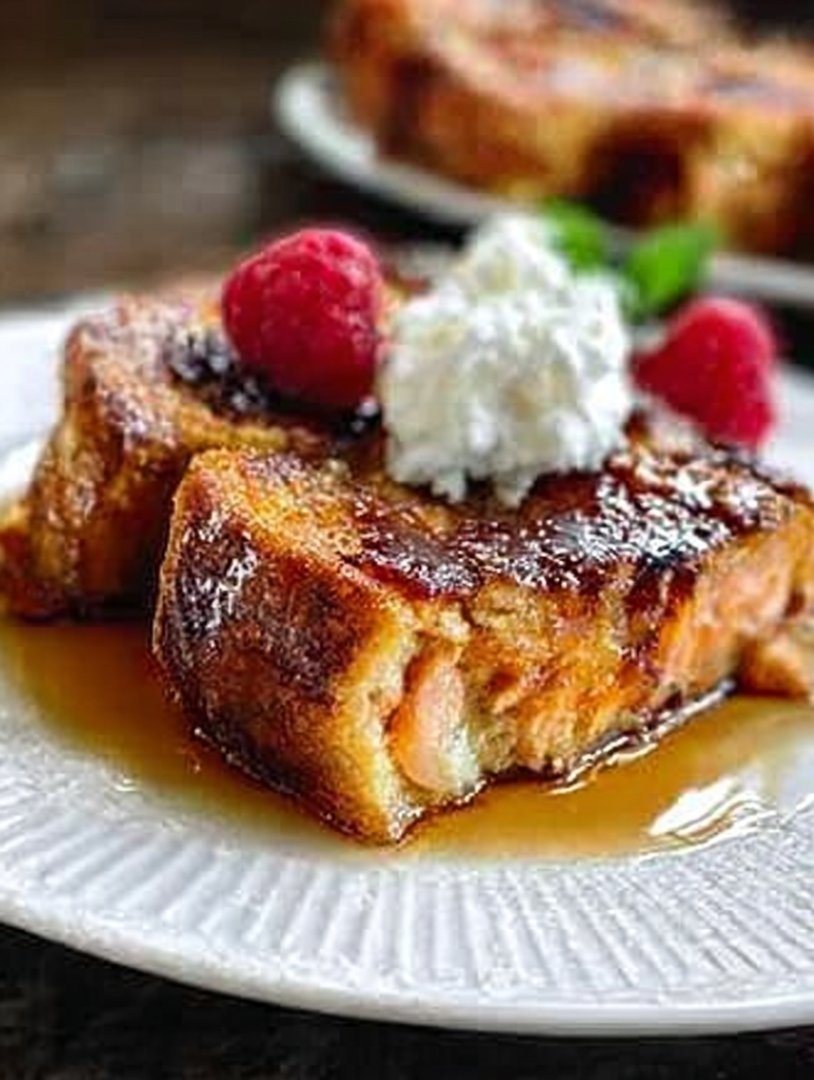
Achieving the perfect texture requires patience during the soak and confidence during the finish. Ensure the bread has fully absorbed the custard overnight; this prevents a soggy bottom. Bake until the center is set but still slightly jiggly, and always caramelize the sugar right before serving for maximum auditory satisfaction.
Add Your Touch
Elevate the spice profile by swapping alcohol-free vanilla extract for alcohol-free almond extract, or adding a pinch of ground cardamom to the custard mixture for warmth. For fruit lovers, layer sliced apples or a handful of fresh blueberries beneath the bread before pouring the custard. You can also mix toasted pecans or shredded coconut into the batter.
Storing & Reheating
Store any leftovers, uncaramelized, covered tightly in the refrigerator for up to three days. To reheat, bake covered at 300°F (150°C) until warm. Only apply the sugar and torch it after reheating, ensuring the final, satisfying crackle and crunch remains the star of the show.
I remember serving this Overnight Crème Brûlée French Toast to my in-laws, who usually prefer savory breakfasts. Seeing their faces light up after the first crunchy bite confirmed I had finally achieved brunch nirvana.
Chef’s Secrets: Expert Tips for Success
-
Use slightly stale bread for better absorption. Fresh bread risks becoming mushy; slightly dried-out brioche holds its shape and soaks up custard beautifully.
-
If you don’t have a torch, opt for turbinado sugar under the broiler; the larger crystals caramelize slower, giving you slightly more control and depth of flavor.
-
Always press the bread down gently after pouring the custard to ensure maximum saturation; if pieces float, they won’t become as tender during baking.
Frequently Asked Questions About Crème Brûlée French Toast
How far in advance can I prepare this dish?
You can assemble the full French toast casserole, minus the final sugar topping, up to 24 hours in advance. Longer than that, the bread may start to break down too much, leading to a texture that is less structured.
What is the best type of bread to use?
Challah or Brioche are the gold standards due to their high egg and butter content, which keeps them rich, slightly chewy, and prevents them from disintegrating during the long overnight soak.
Can I freeze Overnight Crème Brûlée French Toast?
Yes, you can freeze the unbaked casserole, tightly wrapped, for up to one month. Thaw it in the refrigerator overnight, then bake as directed. Wait to add the final caramelized sugar crust until after it has been baked.
Can I bake this in individual servings?
Absolutely! Use large ramekins instead of a casserole dish. Reduce the baking time to about 25 to 30 minutes and follow the caramelization instructions precisely for a visually stunning plated dessert.
What if I don’t have a culinary torch?
A broiler works perfectly well! Just ensure your oven rack is on the highest setting and watch the sugar carefully. It can burn quickly, so keep the oven door ajar and pull it out the moment the sugar turns a rich, dark amber color.
Conclusion for Overnight Crème Brûlée French Toast
The Overnight Crème Brûlée French Toast recipe truly elevates breakfast from routine sustenance to a theatrical performance. We covered how proper bread selection is key to achieving that perfectly custardy center, and the essential technique for crafting the hard, caramelized sugar shell. By prepping this dish the night before, you minimize morning stress and maximize flavor absorption. Whether using a kitchen torch or a hot broiler, the final crack of the sugar is your reward for patience. This dish guarantees rave reviews and transforms any ordinary morning into a celebratory feast, proving that the best breakfasts are often the ones that require a little foresight.
Print
Overnight Crème Brûlée French Toast
Forget basic brunch. Includes complete cooking instructions and detailed nutritional breakdown.
- Total Time: 35 minutes
- Yield: 4 servings 1x
Ingredients
- 1 loaf (about 14 oz) brioche or challah bread, sliced 1 inch thick
- 6 large eggs
- 1 1/2 cups heavy cream
- 1/2 cup granulated sugar (for custard base)
- 1 teaspoon pure vanilla bean paste
- 1/2 teaspoon ground cinnamon
- 1 tablespoon unsalted butter (for greasing the pan)
- 1/4 cup extra granulated sugar (for the brûlée topping)
Instructions
- Step 1: Grease a 9×13 inch baking dish generously with unsalted butter. Arrange the slices of bread tightly in the dish, fitting them closely together, overlapping slightly if necessary.
- Step 2: Prepare the custard base by whisking together the eggs, heavy cream, 1/2 cup sugar, vanilla bean paste, and cinnamon in a large bowl until thoroughly combined and slightly frothy.
- Step 3: Pour the custard slowly and evenly over the bread slices, ensuring every piece is coated and saturated. Cover the baking dish tightly with plastic wrap and refrigerate for a minimum of 8 hours, or preferably overnight, allowing the bread to fully absorb the liquid.
- Step 4: Preheat your oven to 375°F (190°C). Remove the dish from the refrigerator and uncover it. Bake the French toast for 35 to 40 minutes, or until the top is golden brown and the center is set (a knife inserted near the center should come out clean).
- Step 5: Sprinkle the remaining 1/4 cup of granulated sugar evenly across the entire surface of the baked French toast. Use a kitchen torch to caramelize the sugar until it forms a hard, amber-colored shell, moving the flame constantly to avoid burning. Alternatively, place the French toast under a broiler for 1-2 minutes, watching carefully until the sugar melts and crisps. Serve immediately.
Notes
- If you have leftovers, store the baked French toast (before the final sugar torching) tightly covered in the refrigerator for up to 3 days, as the crisp crust is always best when created fresh.
- To restore maximum texture, reheat chilled leftovers loosely wrapped in foil in a 350°F oven for about 15 minutes before adding the final sugar layer and torching it fresh.
- Embrace the dessert quality by serving it simply with fresh seasonal berries and a small dollop of lightly sweetened whipped mascarpone cream instead of relying on traditional syrup.
- For the best texture that truly stands up to the overnight soak, use slightly stale bread; letting the brioche slices air out on a rack for a few hours prevents the rich custard from making the French toast dense or soggy.
- Prep Time: 15 minutes
- Cook Time: 20 minutes
- Method: Stovetop
- Cuisine: American
FAQs
How do I achieve that perfect caramelized crunch in my Overnight Crème Brûlée French Toast?
The secret to the shatteringly crisp topping lies in the sugar application and the cooking technique. After baking the soaked toast, you must generously sprinkle the top layer with granulated sugar, focusing on an even coating. Use a kitchen torch to melt and caramelize the sugar until it turns a deep amber color. If you don’t have a torch, place the toast under a very hot broiler (oven rack in the highest position) for about 60 to 90 seconds, watching constantly to prevent burning. This high heat flash creates the signature crème brûlée crust that makes this dish truly irresistible.
Can I prepare the Overnight Crème Brûlée French Toast base more than 12 hours ahead of time?
While the beauty of this dish is the overnight soak, extending the preparation time past 12 to 14 hours is generally not recommended. Soaking the bread too long can lead to a mushy texture rather than the desirable custardy interior. The optimal window allows the custard mixture, rich with vanilla and spices, to fully penetrate the bread without dissolving its structure. If you need to prep earlier, cube the bread and make the custard, but combine them no more than 18 hours before baking for the best results, ensuring the ultimate creamy finish.
What is the best type of bread to use for Overnight Crème Brûlée French Toast?
Choosing the right bread is crucial for preventing a soggy outcome. Avoid soft sandwich loaves and opt for sturdy, dense breads that can handle significant liquid absorption. Challah, brioche, or French baguettes are ideal because they have a high fat and egg content, which helps them retain their shape while absorbing the rich custard. Stale bread works even better than fresh, so if your loaf is a day or two old, it’s perfect. Slice the bread thickly—about one inch—to ensure a robust crust and a beautifully tender, custardy center after baking.
What dairy alternatives work well when making this decadent Overnight Crème Brûlée French Toast recipe?
You can easily substitute dairy milk and cream with several non-dairy options without sacrificing the dish’s richness. Full-fat canned coconut milk provides an excellent richness and depth, though it will impart a very subtle coconut flavor. Alternatively, high-quality oat milk or cashew cream blends seamlessly into the custard base, offering a creamy texture similar to heavy cream. Ensure you use an unsweetened variety so you can control the overall sweetness. These substitutes help maintain the luxurious mouthfeel central to a great crème brûlée experience while catering to different dietary preferences.





Leave a Comment