

Ah, panna cotta, that wobbly tower of creamy delight! Its silken texture and delicate flavor make it the ultimate dessert for impressing your friends, even if your cooking skills are more “burnt toast” than “Michelin star.”
Imagine a dessert so elegant, so ridiculously easy to make, that you’ll feel like a culinary genius. This **Classic Panna Cotta Recipe** is your secret weapon for turning any ordinary evening into a special occasion, one spoonful of vanilla-infused cream at a time.
Here’s why you’ll fall head-over-heels for this recipe:
- It’s ridiculously simple, requiring minimal effort and readily available ingredients, perfect for even the most novice cooks.
- The vanilla-infused cream provides a luxurious, melt-in-your-mouth experience that’s both comforting and sophisticated, a symphony of flavors.
- Served in elegant glasses or ramekins, it looks like you spent hours crafting this dessert, a guaranteed showstopper for any dinner party.
- Customize it with fresh fruit, berry sauces, or a drizzle of honey for a unique twist, making it a versatile dessert suitable for any palate.
Ingredients for Classic Panna Cotta Recipe
Here’s what you’ll need to make this delicious dish:
The full ingredients list, including measurements, is provided in the recipe card directly below.
How to Make Classic Panna Cotta Recipe
Follow these simple steps to prepare this delicious dish:
Step 1: Bloom the Agar-Agar
In a small bowl, whisk the agar-agar powder with cold water. Let it sit for about 5-10 minutes to soften. This step is crucial for even gelling.
Step 2: Heat the Cream Mixture
In a medium saucepan, combine the heavy cream, milk, and sugar. Heat over medium heat, stirring occasionally, until the sugar is completely dissolved and the mixture is steaming but not boiling. Avoid scalding the cream.
Step 3: Dissolve the Agar-Agar
Add the bloomed agar-agar to the warm cream mixture. Stir constantly until the agar-agar is fully dissolved. This usually takes a few minutes. Ensure there are no lumps.
Step 4: Add Vanilla Extract
Remove the saucepan from the heat and stir in the vanilla extract. This preserves the delicate vanilla flavor.
Step 5: Pour into Molds
Pour the mixture evenly into individual ramekins or glasses.
Step 6: Chill and Set
Cover the ramekins with plastic wrap (gently pressing it onto the surface to prevent a skin from forming) and refrigerate for at least 4 hours, or preferably overnight, to allow the panna cotta to set completely.
Step 7: Serve and Enjoy
To serve, run a thin knife around the edge of each panna cotta to loosen it. Invert onto a serving plate or enjoy directly from the ramekin. Top with fresh berries, fruit compote, or a drizzle of honey for an extra touch of deliciousness.
Perfecting the Cooking Process
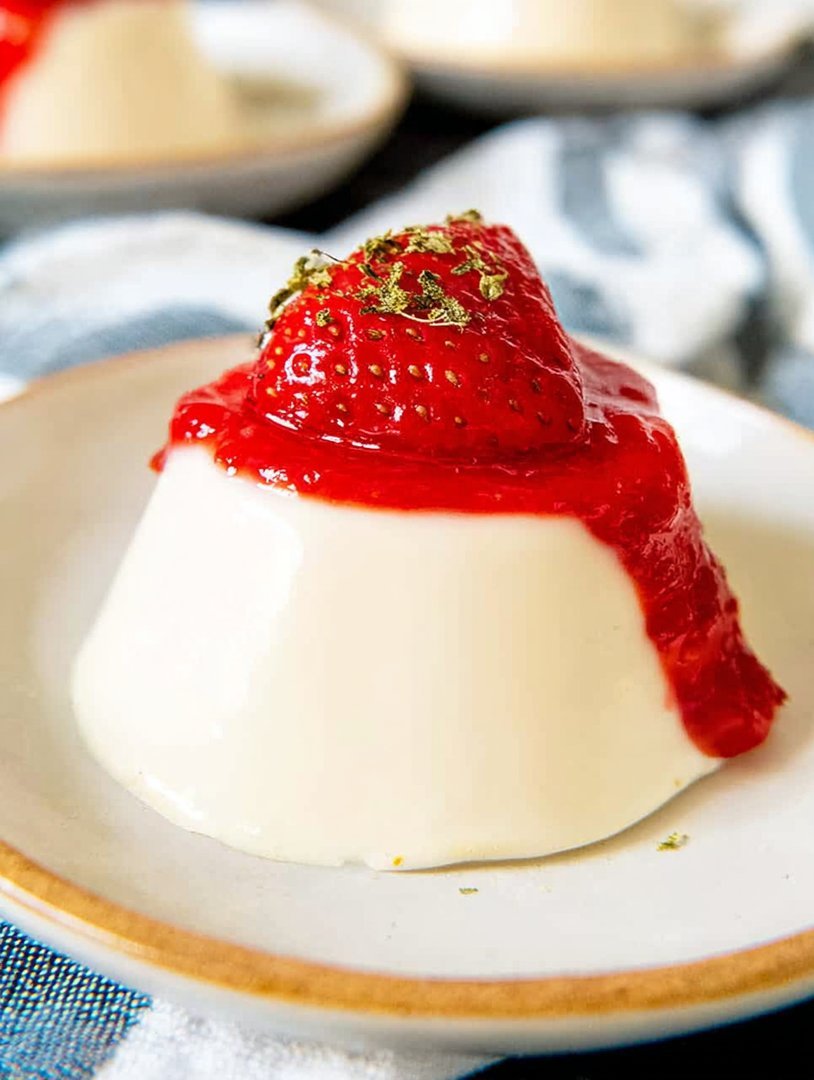
The key to a flawless **Classic Panna Cotta Recipe** is all about timing and temperature. Heat your cream mixture gently to dissolve the sugar and gelling agent, then allow it to cool slightly before pouring into molds. This prevents separation and ensures a silky-smooth texture.
Add Your Touch
Want to elevate your **Classic Panna Cotta Recipe**? Infuse the cream with citrus zest or vanilla beans for an extra layer of flavor. Top with fresh berries, a drizzle of honey, or a sprinkle of toasted nuts for a delightful textural contrast. A fruit puree also makes a great addition.
Storing & Reheating
Your delightful **Classic Panna Cotta Recipe** is best enjoyed chilled. Store individual portions in the refrigerator for up to three days. Reheating is not recommended, as it will alter the texture. Simply unmold and savor the creamy goodness straight from the fridge.
Here are some insider tips to make your **Classic Panna Cotta Recipe** sing:
- Always bloom the gelling agent in cold water first; this prevents clumps and ensures even distribution throughout the cream.
- Avoid boiling the cream mixture; overheating can cause it to curdle, resulting in a grainy texture that no one wants.
- For easy unmolding, lightly grease your ramekins or molds with a neutral oil before pouring in the panna cotta mixture.
(Personal anecdote)
I once made this for a dinner party, and everyone thought I’d spent hours slaving away. Little did they know how simple it is! The compliments kept coming, and it was a truly rewarding experience.
Let’s dive into the creamy world of **Classic Panna Cotta Recipe**! This Italian dessert is deceptively simple, yet incredibly elegant. Think of it as a blank canvas for your culinary creativity. You can dress it up with seasonal fruits, decadent sauces, or even a sprinkle of something crunchy. It’s the perfect make-ahead dessert for any occasion, impressing your guests without you needing to break a sweat. But before we get ahead of ourselves and start dreaming of delightful toppings, let’s get to the nitty-gritty of creating the perfect panna cotta. The beauty of this dessert lies in its simplicity, but that also means that every step counts. Pay attention to the details, and you’ll be rewarded with a wobbly, creamy, and utterly delicious treat.
The Foundation: Cream, Sugar, and Gelling Agent
At its heart, **Classic Panna Cotta Recipe** is a celebration of cream. We’re talking heavy cream here, the kind that makes your arteries quiver with joy (okay, maybe a slight exaggeration, but you get the idea). The rich, velvety texture is what makes panna cotta so irresistible. Sugar adds sweetness, of course, but it also helps to balance the richness of the cream. And then there’s the gelling agent. This is what gives the panna cotta its signature wobble. No more gelatin! We will explore other ways to make this dessert just as great without using any animal-derived gelatin! The common substitutes are plant-based gelling agents like agar-agar, pectin, or carrageenan. Each has its own unique properties, so it’s essential to use the right amount and follow the instructions carefully.
Choosing Your Gelling Agent Wisely
Agar-agar is derived from seaweed and is a powerful gelling agent. Pectin is found naturally in fruits, particularly apples and citrus fruits, and is often used in jam making. Carrageenan is another seaweed extract that creates a softer, more delicate texture. Experiment to find your favorite! The texture of your panna cotta will change depending on the gelling agent you choose.
Infusing Flavor: From Vanilla to Citrus and Beyond
While **Classic Panna Cotta Recipe** is delicious in its pure form, it’s also a fantastic base for adding flavor. Vanilla bean is a classic choice, adding warmth and depth. Simply scrape the seeds from a vanilla bean into the cream and let it infuse as it heats. Citrus zest is another great option, adding brightness and aroma. Lemon, orange, or even grapefruit zest can work wonders. You can also experiment with other flavorings, such as coffee, chocolate, or even spices like cinnamon or cardamom. Just be sure to add them in moderation, as you don’t want to overpower the delicate flavor of the cream.
The Art of Infusion
The key to successful flavor infusion is to add the flavorings to the cream early on and let them steep as it heats. This allows the flavors to fully meld and infuse the cream. For vanilla bean, you can even add the pod to the cream as it simmers, removing it before pouring the panna cotta into molds. This will give you an even more intense vanilla flavor.
The Heating Process: Low and Slow is the Way to Go
When it comes to heating the cream mixture, patience is key. You want to heat it gently over low heat, stirring constantly, until the sugar and gelling agent are fully dissolved. Avoid boiling the cream, as this can cause it to curdle and ruin the texture of the panna cotta. Once the sugar and gelling agent are dissolved, remove the cream from the heat and let it cool slightly before pouring it into molds. This will help to prevent the formation of a skin on top of the panna cotta. The cream needs to be hot enough to dissolve everything but not so hot that you damage it.
Troubleshooting the Heating Process
If you notice that the cream is starting to curdle, immediately remove it from the heat and whisk vigorously. This can sometimes help to bring it back together. If it’s too far gone, however, you may need to start over. It’s always better to err on the side of caution and heat the cream gently.
Molding and Chilling: The Waiting Game
Once the cream mixture has cooled slightly, it’s time to pour it into molds. You can use individual ramekins, small glasses, or even fancy molds. Lightly grease the molds with a neutral oil to help the panna cotta release easily. Then, carefully pour the cream mixture into the molds, filling them to the top. Cover the molds with plastic wrap and refrigerate for at least four hours, or preferably overnight, to allow the panna cotta to set completely. This is where patience truly comes into play. The chilling process is crucial for achieving the perfect wobbly texture.
Tips for Easy Unmolding
To unmold the panna cotta, run a thin knife around the edge of the mold to loosen it. Then, dip the bottom of the mold briefly in warm water. This will help to release the panna cotta without melting it. Invert the mold onto a serving plate and gently shake it until the panna cotta releases.
Toppings and Garnishes: The Finishing Touch
Now for the fun part: decorating your **Classic Panna Cotta Recipe**! The possibilities are endless. Fresh berries are a classic choice, adding sweetness and acidity. A drizzle of honey or maple syrup adds a touch of richness. Toasted nuts provide a satisfying crunch. You can also experiment with fruit purees, chocolate shavings, or even edible flowers. Get creative and have fun! The goal is to create a visually appealing and delicious dessert that will impress your guests.
Creating a Stunning Presentation
Presentation is key when it comes to desserts. Arrange the toppings artfully on top of the panna cotta, creating a visually appealing design. Use a variety of colors and textures to add interest. And don’t be afraid to get a little fancy! A sprig of mint or a dusting of cocoa powder can elevate your panna cotta to the next level.
Adapting for Dietary Needs
While **Classic Panna Cotta Recipe** is traditionally made with heavy cream, it can be adapted to suit various dietary needs. You can use coconut cream for a vegan version, or reduce the amount of sugar for a lower-sugar option. Just be sure to adjust the amount of gelling agent accordingly to maintain the proper texture. The beauty of this recipe is its versatility. You can experiment with different ingredients and techniques to create a panna cotta that perfectly suits your tastes and dietary requirements.
Vegan Panna Cotta Perfection
For a vegan panna cotta, substitute the heavy cream with full-fat coconut cream. The coconut cream will provide the necessary richness and texture. You may also want to add a touch of coconut extract to enhance the flavor. Use agar-agar as the gelling agent, as it is a plant-based alternative to gelatin.
The Joy of Sharing: A Dessert for Every Occasion
**Classic Panna Cotta Recipe** is more than just a dessert; it’s an experience. It’s the perfect ending to a romantic dinner, a delightful treat for a family gathering, or a simple indulgence on a quiet evening. The creamy texture, the delicate flavor, and the endless possibilities for customization make it a dessert that everyone will love. So go ahead, give it a try. You might just discover your new favorite dessert.
Conclusion for Classic Panna Cotta Recipe :
This Classic Panna Cotta Recipe is a delightful and versatile dessert that’s easy to make and even easier to enjoy. By using agar-agar instead of animal-based gelatin, it becomes accessible to more people. The creamy texture and delicate flavor make it a perfect blank canvas for a variety of toppings, from fresh berries to decadent sauces. Whether you’re a seasoned chef or a beginner baker, this recipe is sure to impress with its simplicity and elegance. So go ahead, whip up a batch and savor every spoonful!
Print
Classic Panna Cotta Recipe
Delicious classic panna cotta recipe recipe with detailed instructions and nutritional information.
- Total Time: 35 minutes
- Yield: 4 servings
Ingredients
- Heavy cream: 2 cups
- Whole milk: 1 cup
- Granulated sugar: 1/2 cup
- Vanilla extract: 1 teaspoon
- Unflavored gelatin powder: 2 1/4 teaspoons (1 standard packet)
- Cold water: 3 tablespoons
- Pinch of salt
- Fresh berries: for serving (optional)
Instructions
- Step 1: Soften the gelatin: In a small bowl, sprinkle the gelatin powder over the cold water and let it sit for 5-10 minutes to soften.
- Step 2: Heat the cream, milk, and sugar: In a saucepan, combine the heavy cream, whole milk, sugar, and salt. Heat over medium heat, stirring occasionally, until the sugar dissolves and the mixture is just simmering (do not boil).
- Step 3: Dissolve the gelatin: Remove the saucepan from the heat and stir in the softened gelatin until completely dissolved. Add the vanilla extract.
- Step 4: Strain and pour into molds: Strain the mixture through a fine-mesh sieve into a pitcher or measuring cup to remove any undissolved gelatin. Pour the panna cotta mixture evenly into ramekins or molds.
- Step 5: Chill: Cover the ramekins with plastic wrap (touching the surface to prevent a skin from forming) and refrigerate for at least 4 hours, or preferably overnight, until set.
- Step 6: Unmold and serve: To unmold, run a thin knife around the edge of each panna cotta. Dip the bottom of the ramekin briefly in warm water to loosen the panna cotta. Invert onto serving plates. Serve chilled, garnished with fresh berries, if desired.
Notes
- Store leftover panna cotta covered in the refrigerator for up to 3 days, but it's best enjoyed within the first 24 hours for optimal texture.
- Reheating is not recommended, as it will ruin the delicate texture; instead, if it's too firm, let it sit at room temperature for a few minutes before serving.
- For an elegant presentation, serve your panna cotta with a drizzle of honey and a sprinkle of toasted almonds in addition to fresh berries.
- Be patient when dissolving the gelatin; any lingering granules can result in a grainy texture, so stir thoroughly until it's completely smooth before pouring into the molds.
- Prep Time: 15 minutes
- Cook Time: 20 minutes
- Method: Stovetop
- Cuisine: American
FAQs :
What is Panna Cotta and how is this Classic Panna Cotta Recipe different?
Panna Cotta, meaning “cooked cream” in Italian, is a simple yet elegant dessert. Traditionally, it involves simmering cream, sugar, and vanilla, then setting it with gelatin. My version of this Classic Panna Cotta Recipe swaps out the animal gelatin for agar-agar, making it suitable for everyone to enjoy. The result is a creamy, wobbly delight that melts in your mouth, offering a lighter, plant-based twist on a timeless classic. This recipe retains all the deliciousness, without any gelatin!
Can I make this Classic Panna Cotta Recipe ahead of time?
Absolutely! In fact, I encourage it. Making this Classic Panna Cotta Recipe ahead of time allows the flavors to meld together beautifully, and it also saves you precious time when you are entertaining. Simply prepare the Panna Cotta, let it set completely in the refrigerator for at least four hours (or overnight), and then unmold it just before serving. It’s the perfect make-ahead dessert that will impress your guests without you having to stress at the last minute.
What kind of toppings go well with this Classic Panna Cotta Recipe?
Oh, the possibilities are endless! For this Classic Panna Cotta Recipe, you can let your creativity run wild. Fresh berries are always a winner, their tartness complementing the sweetness of the cream. Fruit compotes or sauces are also fantastic. Drizzle with a bit of honey or maple syrup for a touch of sweetness, or sprinkle with chopped nuts for added texture. You can experiment with shaved chocolate, a dusting of cocoa powder, or even a sprinkle of sea salt for a sweet-and-salty twist.
How do I unmold this Classic Panna Cotta Recipe easily?
Unmolding Panna Cotta can be a bit tricky, but fear not! The easiest way to unmold this Classic Panna Cotta Recipe is to gently loosen the edges with a thin knife or spatula. Then, dip the bottom of the mold briefly (just a few seconds!) in warm water. This will help to release the Panna Cotta without melting it. Place a serving plate on top of the mold, invert it quickly, and give it a gentle shake. The Panna Cotta should slide out smoothly.






Leave a Comment