
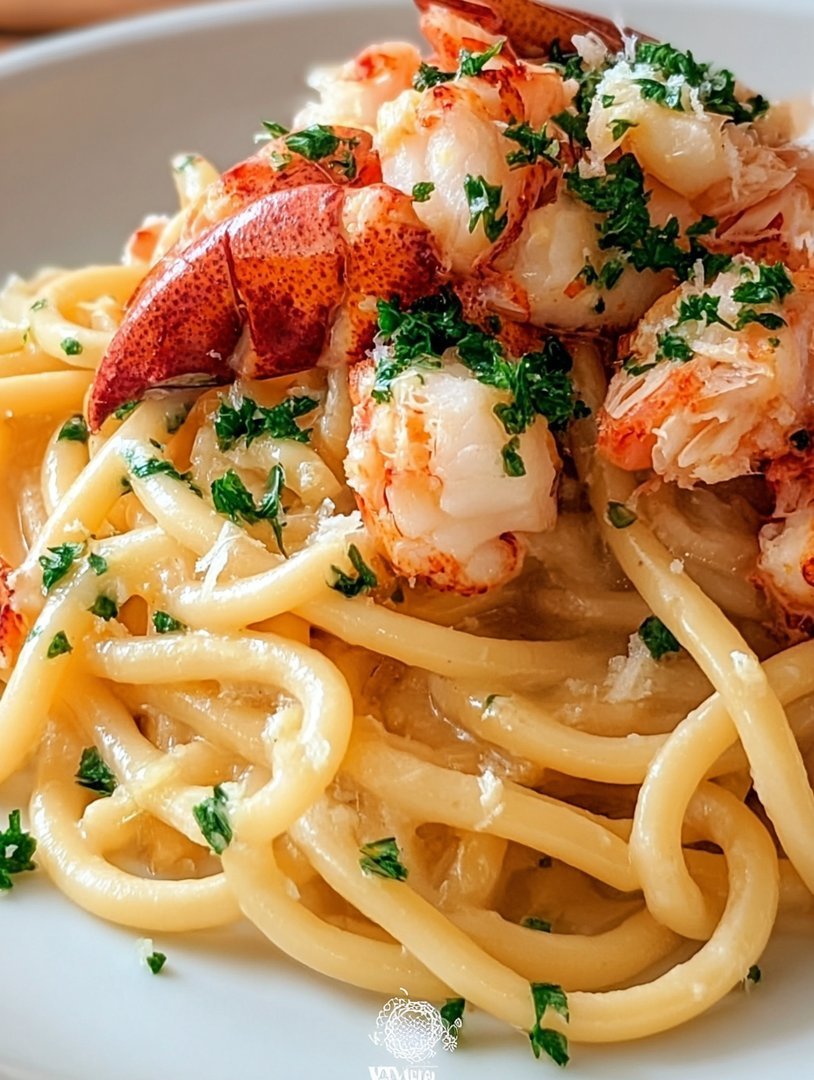
Imagine twirling a forkful of perfectly cooked pasta, each strand coated in a rich, decadent sauce, studded with sweet, succulent lobster. The aroma alone is enough to transport you to a seaside trattoria, where the only thing better than the view is the food.
This isn’t just pasta; it’s Lobster Bucatini, a symphony of flavors and textures that dances on your palate, turning an ordinary meal into an extraordinary experience. It’s perfect for impressing guests, celebrating a special occasion, or simply treating yourself to a little bit of luxury.
- Effortlessly elegant, this dish comes together faster than you’d think, making it perfect for weeknight indulgence.
- The harmonious blend of rich lobster and perfectly al dente bucatini creates an unforgettable symphony of taste.
- Its vibrant colors and sophisticated presentation makes this bucatini dish a guaranteed showstopper.
- Adaptable to your preferences, this recipe is a fantastic canvas for your culinary creativity and personal touches.
Ingredients for Lobster Bucatini
Here’s what you’ll need to make this delicious dish:
- Bucatini Pasta The star of the show! Its hollow center allows for maximum sauce absorption, ensuring every bite is bursting with flavor.
- Fresh Lobster Meat Look for sustainably sourced lobster. The meat should be firm and have a sweet, briny aroma.
- Shallots Milder than onions, shallots add a delicate sweetness that complements the richness of the lobster. Finely dice them for even cooking.
- Garlic Essential for depth of flavor. Use fresh garlic for the best results; mince it finely or press it for optimal flavor release.
- Tomato Paste Adds a concentrated tomato flavor and helps to thicken the sauce. Look for a paste with no added sugar.
- Chicken Broth Provides the liquid base for the sauce. Use low-sodium broth to control the saltiness of the dish.
- Heavy Cream Gives the sauce a luxurious, velvety texture. For a lighter option, you can use half-and-half, but be aware that the sauce will be less rich.
- Lemon Juice A touch of acidity brightens the dish and balances the richness of the cream and lobster. Freshly squeezed is always best.
- Red Pepper Flakes Adds a subtle kick of heat. Adjust the amount to your preference, or omit if you prefer a milder flavor.
- Fresh Parsley Adds a pop of color and freshness. Chop it finely and sprinkle it over the dish just before serving.
- Olive Oil Use extra virgin olive oil for its superior flavor. It’s used for sautéing the shallots and garlic.
- Salt and Pepper To taste. Season generously to bring out the flavors of the other ingredients.
The full ingredients list, including measurements, is provided in the recipe card directly below.
How to Make Lobster Bucatini
Follow these simple steps to prepare this delicious dish:
Step 1: Cook the Bucatini
Bring a large pot of salted water to a boil. Add the bucatini and cook according to package directions until al dente. Reserve about 1 cup of pasta water before draining.
Step 2: Sauté Aromatics
In a large skillet or Dutch oven, heat olive oil over medium heat. Add the diced shallots and cook until softened and translucent, about 3-5 minutes. Add the minced garlic and red pepper flakes and cook for another minute until fragrant, being careful not to burn the garlic.
Step 3: Build the Sauce
Stir in the tomato paste and cook for 2 minutes, allowing it to caramelize slightly. Gradually whisk in the chicken broth, scraping up any browned bits from the bottom of the pan. Bring to a simmer and cook for 5 minutes, allowing the sauce to reduce slightly.
Step 4: Add Cream and Lobster
Stir in the heavy cream and lemon juice. Bring the sauce back to a simmer and cook for another 2-3 minutes, until slightly thickened. Gently fold in the cooked lobster meat and heat through. Be careful not to overcook the lobster, as it can become tough.
Step 5: Combine and Finish
Add the drained bucatini to the skillet with the sauce. Toss to coat, adding reserved pasta water as needed to achieve the desired consistency. Season with salt and pepper to taste.
Step 6: Serve and Enjoy
Garnish with fresh parsley and serve immediately. A sprinkle of extra red pepper flakes adds a touch of heat. Enjoy this restaurant-worthy meal in the comfort of your own home!
Perfecting the Cooking Process
Efficiency is key! Sear the lobster meat first to lock in those delicious juices. While it rests, cook the bucatini to al dente perfection. Finally, whip up the sauce, adding the lobster back in just before serving to keep it tender.
Add Your Touch
Feel free to swap out the tomatoes for a creamy pesto sauce if you’re feeling adventurous. A sprinkle of red pepper flakes can add a delightful kick. Consider adding some sautéed mushrooms for an earthy depth of flavor.
Storing & Reheating
Store leftover Lobster Bucatini in an airtight container in the refrigerator for up to three days. Reheat gently in a pan with a splash of broth or a microwave until heated through, being careful not to overcook the lobster.
Here are a few insider tips to make your Lobster Bucatini sing:
- Don’t overcook the lobster! Slightly undercooking it initially and letting it finish in the sauce ensures it stays tender and juicy.
- Reserve some of the pasta water. This starchy liquid helps emulsify the sauce and creates a silky, clinging texture that elevates the dish.
- Taste as you go! Adjust the seasoning to your liking, adding more salt, pepper, or herbs until the flavor profile truly shines.
(Personal anecdote)
My family raved about this Lobster Bucatini on our anniversary! My sister even asked for the recipe, which is always a good sign. That’s when I knew this was a keeper.
Why Lobster Bucatini Is a Crowd-Pleaser
Let’s be honest, Lobster Bucatini sounds fancy, right? Like something you’d order at a ridiculously overpriced restaurant while trying (and failing) to impress a date. But here’s the secret: it’s surprisingly simple to make at home, and the payoff is HUGE. We’re talking about a dish that will make your guests think you’ve secretly enrolled in culinary school. Plus, the combination of rich lobster and perfectly cooked bucatini is just plain irresistible. It’s a flavor explosion that’s guaranteed to leave everyone wanting more, without the ridiculous restaurant price tag. Forget takeout; you’ve got this.
The Allure of Bucatini
So, why bucatini? Why not spaghetti or fettuccine? Well, my friend, bucatini is the unsung hero of the pasta world. It’s like spaghetti’s cooler, more sophisticated cousin. That delightful hole running through the center of each strand is a game-changer. It allows the sauce to coat the pasta from the inside out, delivering a burst of flavor with every single bite. Imagine slurping up a mouthful of perfectly seasoned tomato sauce, punctuated by the sweet, succulent taste of lobster. Pure bliss, I tell you! Plus, the slightly thicker texture of bucatini holds up beautifully against the richness of the lobster, creating a satisfying chew that will keep you coming back for more. It’s the pasta shape you never knew you needed, until now.
Elevating the Ordinary
Let’s be real: regular pasta dishes can get a little… boring. Chicken Alfredo, spaghetti with marinara… we’ve all been there, done that. But Lobster Bucatini? That’s a whole different ballgame. It’s a culinary adventure that will awaken your taste buds and leave you feeling like a true gourmet. The briny sweetness of the lobster perfectly complements the acidity of the tomatoes, creating a flavor harmony that is simply divine. And the best part? It’s a dish that’s impressive enough for a special occasion, but easy enough to whip up on a weeknight. So go ahead, ditch the mundane and embrace the extraordinary. Your taste buds will thank you.
Gathering Your Ingredients for Lobster Bucatini
Okay, let’s talk ingredients. Don’t be intimidated by the word “lobster.” I promise, it’s not as scary as it sounds. You can find fresh or frozen lobster meat at most grocery stores, or even online. And the rest of the ingredients are pantry staples that you probably already have on hand.
The Star of the Show: Lobster
Obviously, the lobster is the star here. Aim for about one pound of cooked lobster meat for four servings. If you’re feeling fancy, you can buy live lobsters and cook them yourself, but honestly, pre-cooked lobster meat is perfectly fine and saves a ton of time. Just make sure it’s good quality and doesn’t smell overly fishy. You want that sweet, briny flavor to shine through. And if you’re feeling extra adventurous, consider using lobster tails for a more dramatic presentation.
The Supporting Cast: Pasta and Sauce
Next up, we have the bucatini. As I mentioned before, this pasta is a must. Don’t even think about substituting it with spaghetti! You need that hollow center for maximum sauce absorption. For the sauce, we’re going for a classic tomato-based concoction. Think crushed tomatoes, garlic, onions, fresh basil, and a touch of red pepper flakes for a little kick. You can use canned crushed tomatoes for convenience, or opt for fresh tomatoes if you’re feeling ambitious. Either way, make sure they’re ripe and flavorful.
Flavor Boosters
Now, let’s talk about those little extras that will take your Lobster Bucatini to the next level. A drizzle of good quality olive oil is essential for richness and flavor. Fresh garlic and onions add a pungent aroma that will fill your kitchen with deliciousness. Fresh basil brings a bright, herbaceous note that perfectly complements the lobster and tomatoes. And a pinch of red pepper flakes adds a subtle heat that will keep you coming back for more. Don’t forget a squeeze of lemon juice at the end to brighten everything up and balance the flavors.
Step-by-Step Guide to Lobster Bucatini Bliss
Alright, let’s get cooking! This recipe is surprisingly simple, even for beginner cooks. Just follow these step-by-step instructions, and you’ll be enjoying a restaurant-quality Lobster Bucatini in no time.
Prepping the Lobster
If you’re using pre-cooked lobster meat, give it a quick check for any shell fragments. Gently pat it dry with paper towels and cut it into bite-sized pieces. Set it aside for now. If you’re using live lobsters, well, that’s a whole different story. But I’m assuming you’re not, because we’re all about simplicity here.
Building the Sauce
Heat some olive oil in a large skillet over medium heat. Add the minced garlic and chopped onions and cook until softened and fragrant, about 5 minutes. Be careful not to burn the garlic! Add the crushed tomatoes, basil, red pepper flakes, salt, and pepper. Bring to a simmer and cook for about 15-20 minutes, stirring occasionally, until the sauce has thickened slightly.
Cooking the Bucatini
While the sauce is simmering, cook the bucatini according to package directions. Make sure to salt the pasta water generously! Cook the pasta until it’s al dente, meaning it’s still slightly firm to the bite. Before draining the pasta, reserve about a cup of the starchy pasta water. You’ll need this later to emulsify the sauce.
Bringing It All Together
Add the cooked bucatini to the skillet with the tomato sauce. Toss to coat, adding a little of the reserved pasta water if needed to create a creamy, clinging sauce. Gently stir in the cooked lobster meat and cook for just a minute or two, until heated through. Be careful not to overcook the lobster, as it will become tough.
The Finishing Touches
Remove the skillet from the heat and stir in a squeeze of lemon juice. Taste and adjust the seasoning as needed. Serve immediately, garnished with fresh basil leaves and a drizzle of olive oil. And there you have it: Lobster Bucatini perfection!
Variations on a Theme: Lobster Bucatini Remix
Okay, so maybe you’re feeling a little adventurous. Maybe you want to put your own spin on this classic dish. I get it! Here are a few variations to get your creative juices flowing.
Creamy Lobster Bucatini
For a richer, more decadent dish, try adding a splash of heavy cream or half-and-half to the sauce. This will create a luscious, creamy sauce that perfectly complements the sweetness of the lobster. You can also add a dollop of mascarpone cheese for extra richness and flavor.
Spicy Lobster Bucatini
If you like a little heat, crank up the red pepper flakes or add a pinch of cayenne pepper to the sauce. You can also use a spicy Italian sausage in place of some of the lobster for a heartier, more flavorful dish. Just make sure to brown the sausage before adding it to the sauce.
Vegetarian Lobster Bucatini (Okay, Kind Of)
Okay, so technically this isn’t Lobster Bucatini anymore, but you can still capture the essence of the dish with a vegetarian twist. Substitute the lobster with sauteed mushrooms, artichoke hearts, or even grilled halloumi cheese. Use vegetable broth instead of chicken broth to keep it vegetarian. You’ll still get a delicious and satisfying pasta dish.
Conclusion for Lobster Bucatini :
Lobster Bucatini is more than just a meal; it’s a celebration of flavor and simplicity. From searing the lobster to perfection to creating a luscious, flavorful sauce, every step contributes to a memorable dining experience. Whether you are using fresh or frozen lobster, the key is to embrace the process and enjoy the delicious results. With its rich, oceanic flavors and satisfying texture, this dish is sure to impress. So, grab your fork, twirl some bucatini, and prepare for a taste of pure pasta paradise.
Print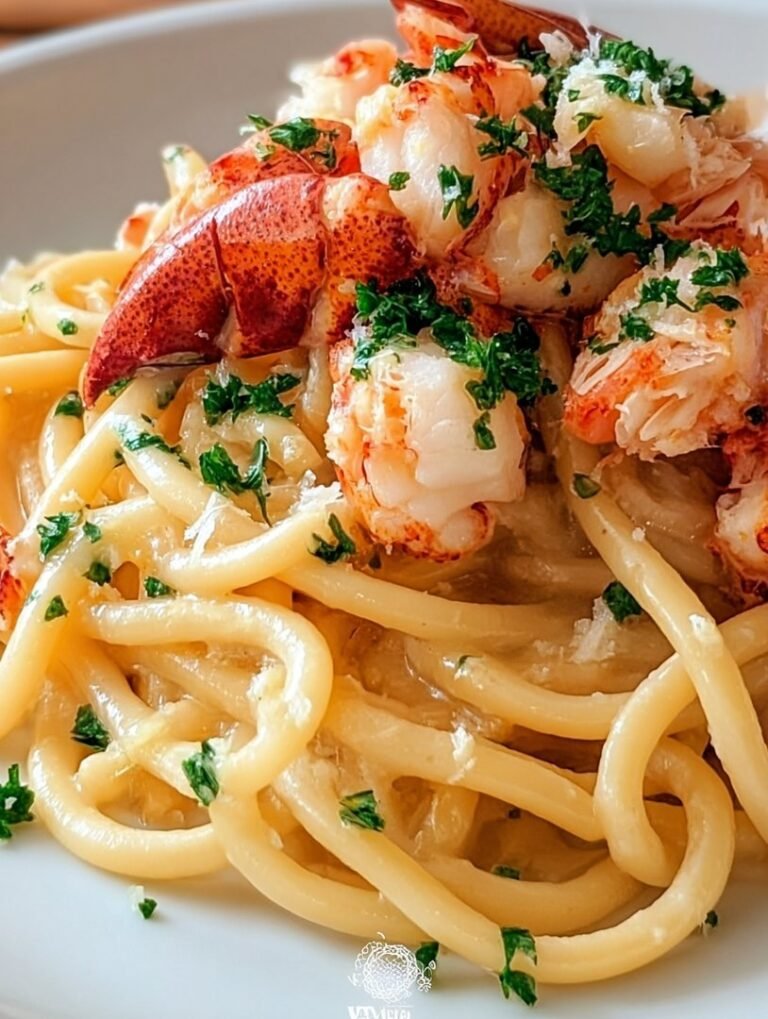
Lobster Bucatini
Delicious lobster bucatini recipe with detailed instructions and nutritional information.
- Total Time: 35 minutes
- Yield: 4 servings
Ingredients
- Lobster tails (2, about 6-8 oz each)
- Bucatini pasta (1 pound)
- Olive oil (1/4 cup)
- Garlic (4 cloves, minced)
- Dry white wine (1/2 cup)
- Tomato paste (2 tablespoons)
- Red pepper flakes (1/4 teaspoon, or to taste)
- Fresh parsley (1/4 cup, chopped)
Instructions
- Step 1: Cook the lobster tails: Steam, boil or grill lobster tails until cooked through (internal temp of 145°F). Let cool slightly, then remove meat from shells and chop into bite-sized pieces. Reserve any lobster coral.
- Step 2: Cook the pasta: Bring a large pot of salted water to a boil. Add the bucatini pasta and cook according to package directions until al dente. Reserve about 1 cup of pasta water before draining.
- Step 3: Sauté garlic and tomato paste: While the pasta is cooking, heat olive oil in a large skillet over medium heat. Add the minced garlic and red pepper flakes and cook until fragrant, about 1 minute. Stir in the tomato paste and cook for another minute, stirring constantly.
- Step 4: Deglaze with wine and simmer: Pour in the dry white wine and scrape up any browned bits from the bottom of the pan. Bring to a simmer and cook until the wine is reduced by half, about 3-4 minutes.
- Step 5: Add lobster and pasta: Add the cooked lobster meat (and any reserved coral) to the skillet and cook for 1-2 minutes, just until heated through. Add the drained bucatini pasta to the skillet and toss to coat. If the sauce is too thick, add some of the reserved pasta water, a little at a time, until it reaches your desired consistency.
- Step 6: Garnish and serve: Stir in the chopped fresh parsley. Serve immediately.
Notes
- Store leftover Lobster Bucatini in an airtight container in the refrigerator for up to 2 days.
- To reheat, gently warm the pasta in a skillet over low heat with a splash of water or broth to prevent it from drying out.
- For a restaurant-worthy presentation, twirl the Lobster Bucatini into nests on plates and garnish with extra parsley and a lemon wedge.
- Don't discard the lobster coral; its concentrated flavor will add a delicious richness and vibrant color to the sauce.
- Prep Time: 15 minutes
- Cook Time: 20 minutes
- Method: Stovetop
- Cuisine: American
FAQs :
Can I use frozen lobster for this Lobster Bucatini recipe?
Absolutely! Fresh lobster is amazing if you can get it, but don’t let that stop you. Frozen lobster tails or meat work perfectly well, especially when you are craving a taste of the sea but don’t live near the coast. Just make sure to thaw it completely before you start cooking. Pat it dry before searing it. You want a nice golden crust, not a soggy mess. Nobody likes a soggy crust. This recipe is all about ease and deliciousness, so embrace the frozen option. It will still deliver the vibrant flavor this dish is known for!
What if I can’t find bucatini pasta? What’s a good substitute?
Bucatini’s thick, hollow center is part of its charm, but don’t panic if your grocery store is bucatini-challenged. Spaghetti is a great substitute and can mimic the sauce-grabbing capabilities. Fettuccine or linguine would also work well, offering a similar satisfying bite. The key is to choose a pasta shape that is sturdy enough to stand up to the rich lobster sauce without getting lost in the shuffle. Ultimately, the best pasta is the one you have on hand, ready to be twirled into a delicious, oceanic masterpiece!
How do I prevent my pasta from sticking together?
Ah, the dreaded pasta clump! To avoid this culinary tragedy, remember a few key tricks. First, use plenty of salted water when boiling your pasta. Seriously, don’t skimp on the salt; it seasons the pasta from the inside out and helps prevent sticking. Once cooked, don’t rinse the pasta unless you are making a cold salad. The starch on the surface helps the sauce cling. Toss the cooked pasta immediately with a little olive oil or sauce to keep it from turning into a sticky blob. Problem solved!
Can I make this Lobster Bucatini spicy?
Definitely! A little heat can really elevate the flavors in this dish. Add a pinch of red pepper flakes to the garlic and shallots as they sauté in the olive oil. Start with a small amount and taste as you go; you can always add more, but you can’t take it away! For an extra kick, you could also use a chili-infused olive oil. Just be mindful of the balance of flavors. You want the spice to enhance the lobster, not overpower it. A touch of heat should be a complement, not a distraction.






Leave a Comment