

The scent of fresh basil and garlic is the culinary equivalent of a warm hug—or maybe a very enthusiastic high-five. Forget complicated weeknight meals; we are diving headfirst into the glorious ease ofPesto Shrimp Pasta.
This isn’t just dinner; it’s a vibrant, satisfying explosion of flavor, ready faster than you can decide which streaming service to watch. Prepare yourself for the ultimate weeknight hero.
- Quick preparation means you spend less time cooking and more time enjoying the bright, herbaceous flavors of basil and lemon zest.
- Experience the perfect harmony between sweet, succulent shrimp and the sharp, nutty intensity of high-quality homemade or store-bought pesto.
- The vibrant green sauce coating perfectly cooked pasta and pink shrimp makes for an incredibly appetizing and restaurant-worthy plate presentation.
- Easily adapt this recipe by adding sun-dried tomatoes, roasted asparagus, or a generous sprinkle of toasted pine nuts for extra texture and depth.
Why Pesto Shrimp Pasta Wins Weeknights
If your weeknight routine involves staring blankly into the refrigerator abyss while simultaneously attempting to placate a small, hungry audience (whether that audience is children, a partner, or just your own internal clock demanding sustenance), then this recipe is your new best friend. We’ve all been there: 6:30 PM hits, the energy reserves are depleted, and the idea of spending an hour chopping vegetables sounds like a cruel and unusual punishment. That, my friends, is exactly why the magnificentPesto Shrimp Pastawas invented.
This dish is the culinary equivalent of a power nap. It takes minimal effort but delivers maximum flavor payoff. The beauty lies in its simplicity. When you start with high-quality pesto—whether you whipped up a batch yourself on a Sunday afternoon or found a premium jar at the market—half the heavy lifting is already done. The key remaining task is simply ensuring the shrimp achieves a perfect, tender C-curl, rather than the dreaded rubber O-shape. If you can boil water and own a skillet, you can master this meal.
I once tried to make a highly complex, three-course meal for unexpected company, and the result was kitchen smoke, a broken food processor, and takeout pizza. The next time surprise guests arrived, I pulled out this simple recipe, and the compliments flowed like an endless stream of olive oil. It is truly astonishing how something so fast can taste so sophisticated and comforting simultaneously. It’s the ultimate confidence boost for any home cook, guaranteeing a fresh, vibrant, and deeply satisfying experience every single time.
The Magic of Homemade vs. Store-Bought Pesto
The core flavor profile of this dish relies almost entirely on the quality of your pesto. While homemade pesto is undoubtedly a superior experience—offering that unparalleled brightness from freshly picked basil, high-grade olive oil, and perfectly toasted pine nuts—we recognize that time constraints are a reality. If you choose the jarred route, scrutinize the ingredient label like a detective. Look for pestos that use genuine ingredients like olive oil (not industrial seed oils) and pine nuts, avoiding versions padded out with cheaper alternatives like cashew or sunflower seeds, unless those nut profiles are your preferred flavor choice. The quality of the oil and the freshness of the basil dictate whether your pasta tastes like a sun-drenched Italian garden or a slightly tired herb patch.
If you opt for homemade, a pro-tip is to quickly blanch your basil leaves for about 10 seconds before mixing them into the food processor, then immediately plunging them into an ice bath. This process halts the oxidation, ensuring your pesto retains that breathtakingly bright green hue rather than fading into a dull olive tone. Whichever route you choose, be generous with the quantity; the pasta should be beautifully saturated in that luscious green coating.
Selecting the Perfect Pasta and Shrimp
While the recipe works with virtually any pasta shape, selecting the right noodle can significantly enhance the eating experience. The thick, oil-based nature of pesto demands a pasta shape with either grooves, like rotini or fusilli, or a broad, flat surface, like linguine or fettuccine. These shapes provide excellent surface area for the rich sauce to cling to, ensuring every bite is fully coated in flavor. Spaghetti is also a popular choice, but sometimes the silky strands struggle to hold the thicker, chunkier bits of pine nut and cheese present in the pesto.
When it comes to the shrimp, fresh or frozen both work perfectly, but size matters. Aim for medium to large shrimp, typically designated as 21/25 or 31/35 count per pound. This size offers a delightful, meaty texture that stands up beautifully to the richness of the pesto. Always ensure your shrimp is properly peeled and deveined. If you buy frozen shrimp, remember to thaw them properly—ideally overnight in the refrigerator, or quickly under cold running water—and then pat them bone dry before cooking. Excess moisture will steam the shrimp instead of allowing them to sear, preventing them from developing that crucial slightly caramelized exterior.
Tips for Avoiding Rubberized Shrimp
The single most common error in making any shrimp dish is overcooking. Shrimp cooks incredibly quickly, often in two to three minutes total. To ensure tender, juicy results, start with a hot pan and use high heat. Cook the shrimp until they just turn opaque and form a distinct “C” shape. If the shrimp curls into a tight “O,” you have officially left the realm of tender and entered the land of rubber. We only want a brief sear to achieve that rosy pink color and tender bite. Once cooked, remove them immediately from the pan to halt the cooking process. You will add them back to the pasta mixture at the very end simply to warm them through, not to cook them further.
Ingredients for Pesto Shrimp Pasta
Here’s what you’ll need to make this delicious dish:
- ShrimpUse raw, peeled, and deveined shrimp, preferably medium-to-large size, ensuring they are patted dry for a better sear.
- PastaLinguine, fettuccine, or rotini are excellent choices for ensuring the rich pesto sauce adheres well to the noodles.
- Prepared PestoUse a high-quality basil pesto, store-bought or homemade, that features real olive oil and pine nuts for the best flavor outcome.
- Extra Virgin Olive OilUsed for sautéing the aromatics and the shrimp, imparting a classic Mediterranean flavor base.
- Fresh GarlicThree to four cloves, minced, provide essential pungent depth and flavor; do not use dried garlic powder here.
- Lemon Zest and JuiceThe lemon is crucial for cutting through the richness of the pesto, adding brightness and finishing flavor.
- Pasta WaterReserve some of this starchy water to emulsify the sauce, helping it cling beautifully to the pasta rather than becoming runny.
- SeasoningsKosher salt, freshly cracked black pepper, and optional red pepper flakes for a subtle kick of heat.
The full ingredients list, including measurements, is provided in the recipe card directly below.
How to Make Pesto Shrimp Pasta
Follow these simple steps to prepare this delicious dish:
Step 1: Prep the Pasta and Aromatics
Bring a large pot of heavily salted water to a rolling boil. Add your chosen pasta and cook according to package directions until it is perfectly al dente. Just before draining, make sure you reserve at least one cup of the starchy cooking water; this liquid is essential for creating the creamy sauce later. While the pasta cooks, mince your garlic and zest one full lemon.
Step 2: Sauté the Shrimp
In a large skillet or pan, heat two tablespoons of olive oil over medium-high heat. Season the dried shrimp generously with salt, pepper, and a pinch of red pepper flakes if desired. Add the shrimp to the hot pan in a single layer, ensuring not to crowd the pan. Cook for about 2 minutes per side until they turn pink, opaque, and form a gentle “C” shape. Remove the shrimp immediately and set them aside on a clean plate.
Step 3: Build the Sauce Base
Reduce the heat to medium. Add the minced garlic to the same pan and sauté briefly, about 30 seconds, until fragrant. Be careful not to burn the garlic, as burnt garlic tastes bitter. Deglaze the pan with a splash of the reserved pasta water, scraping up any delicious browned bits from the bottom of the pan to incorporate them into the sauce.
Step 4: Combine the Pasta and Pesto
Drain the al dente pasta and add it directly into the skillet with the garlic and pasta water. Remove the pan from the heat entirely. Add your desired amount of pesto and about half of the reserved pasta water. Toss vigorously and continuously, allowing the hot starch water and the oil in the pesto to emulsify into a light, creamy sauce that coats every strand. Add more pasta water as needed until the sauce reaches your preferred consistency.
Step 5: Finish and Serve
Gently fold the cooked shrimp back into the pasta mixture, along with a squeeze of fresh lemon juice and a good sprinkling of lemon zest. Toss just until the shrimp are warmed through. Transfer to plates and drizzle with a little extra fresh olive oil and a final grating of Parmesan cheese for the perfect finishing touch.
Variations and Serving Suggestions
One of the true pleasures of makingPesto Shrimp Pastais its adaptability. This recipe serves as a brilliant canvas for adding fresh vegetables, especially those that benefit from light blanching or quick searing. Consider tossing in some blistered cherry tomatoes, which burst with sweetness, or adding lightly roasted asparagus spears for a satisfying crunch. For an elevated touch, sprinkle finely crushed toasted walnuts or pistachios over the top just before serving, providing a textural complexity beyond the traditional pine nut garnish.
Making it a Full Meal: Side Dish Pairings
Since the main dish is rich, bright, and hearty, you should aim for simple, refreshing sides that cleanse the palate. A classic caprese salad, featuring ripe tomatoes, fresh mozzarella, and more basil, is always a fantastic partner. Alternatively, a simple butter lettuce salad dressed lightly with balsamic vinegar and olive oil complements the pasta beautifully without overwhelming the main flavors. Don’t forget a generous hunk of warm, crusty bread to soak up any remaining pesto at the bottom of the bowl—it’s too good to waste!
FAQs About Pesto Shrimp Pasta
Can I use dried herbs instead of fresh basil for the pesto?
While you can use dried herbs, they will result in a significantly muted and less vibrant flavor profile. Pesto relies heavily on the fresh, aromatic oils released by fresh basil. If fresh basil is truly unavailable, your best bet is to use a high-quality store-bought pesto made with fresh ingredients, rather than trying to substitute with dried herbs.
How do I store leftovers?
Store leftoverPesto Shrimp Pastain an airtight container in the refrigerator for up to 3 days. Reheating is best done gently on the stovetop over low heat, adding a splash of chicken broth or extra olive oil to restore moisture and prevent the pasta from drying out. Microwave reheating tends to make the shrimp rubbery, so exercise caution.
Can I substitute the shrimp with another protein?
Absolutely. This recipe is wonderfully versatile. You can easily substitute the shrimp with thinly sliced grilled chicken breast, sautéed turkey cutlets, or even flakes of firm white fish like cod or snapper. For a vegetarian option, replace the shrimp with roasted vegetables like zucchini and bell peppers, or sautéed white beans, maintaining the flavor integrity of the pesto sauce.
What is the best way to prevent the sauce from separating?
The key to preventing separation (breaking the emulsion) is to remove the pan from the heat before adding the pesto and never let the pesto boil. Pesto contains sensitive ingredients like cheese and fresh herbs that curdle or oxidize easily under high heat. Adding the pesto and reserved pasta water off the heat, and tossing vigorously, ensures the oil and water blend into a stable, velvety sauce.
We all have that one weeknight where dinner needs to happen in the time it takes to find your keys—fast, effortless, and preferably involving zero drama. For years, I struggled, often relying on takeout menus that promised speed but delivered lukewarm disappointment. Then, I discovered the recipe that changed everything. It’s vibrant, luxurious, incredibly simple, and manages to taste like you spent an entire afternoon crafting a masterpiece, rather than the seventeen minutes you actually dedicated to it. This isn’t just a meal; it is your new culinary superpower, combining the bright, herbal punch of pesto with the irresistible tenderness of perfectly cooked shrimp.
The Search for the Five-Star Weeknight Meal
My kitchen used to resemble a danger zone after 6 PM. I was trying too hard, chasing complicated recipes involving multiple reduction stages and ingredients I couldn’t pronounce. My family, bless their hearts, would politely eat my elaborate failures. What they really wanted was flavor and comfort, and what I desperately needed was simplicity. That’s how this creamy, irresistible Pesto Shrimp Pasta came into existence. It’s the ultimate culinary compromise: elegant enough for guests but quick enough for a Tuesday.
The beauty of this dish lies in its limited ingredient list and the robust flavor profile of high-quality pesto. Forget heavy, complicated sauces. We are utilizing the magic of starchy pasta water to bind the pesto into a velvety coat, ensuring every piece of pasta and every succulent shrimp is drenched in herbaceous goodness. You are about to enter a new realm of dinner efficiency, proving that maximum flavor doesn’t require maximum effort.
Essential Pantry Checklist for Vibrant Flavor
Gathering the ingredients is arguably the most time-consuming part of this easy shrimp and pesto creation. Ensure your shrimp is fully thawed and pat it completely dry—this is key for a proper sear!
- 1 pound linguine or fettuccine pasta
- 1 pound medium or large shrimp, peeled and deveined
- 3 tablespoons unsalted butter
- 4 cloves garlic, minced
- 1 cup fresh basil pesto (store-bought or homemade)
- 1/2 cup grated Parmesan-style cheese
- 1/4 cup heavy cream (optional, for extra richness)
- Salt and freshly ground black pepper to taste
- Red pepper flakes (optional, for a little heat)
A note on the noodles: while I prefer linguine because its flat surface captures the sauce beautifully, any long, sturdy noodle works wonderfully. Do not rush the cooking of the pasta; that reserved water is liquid gold that transforms the texture of your finished sauce.
Perfecting the Cooking Process
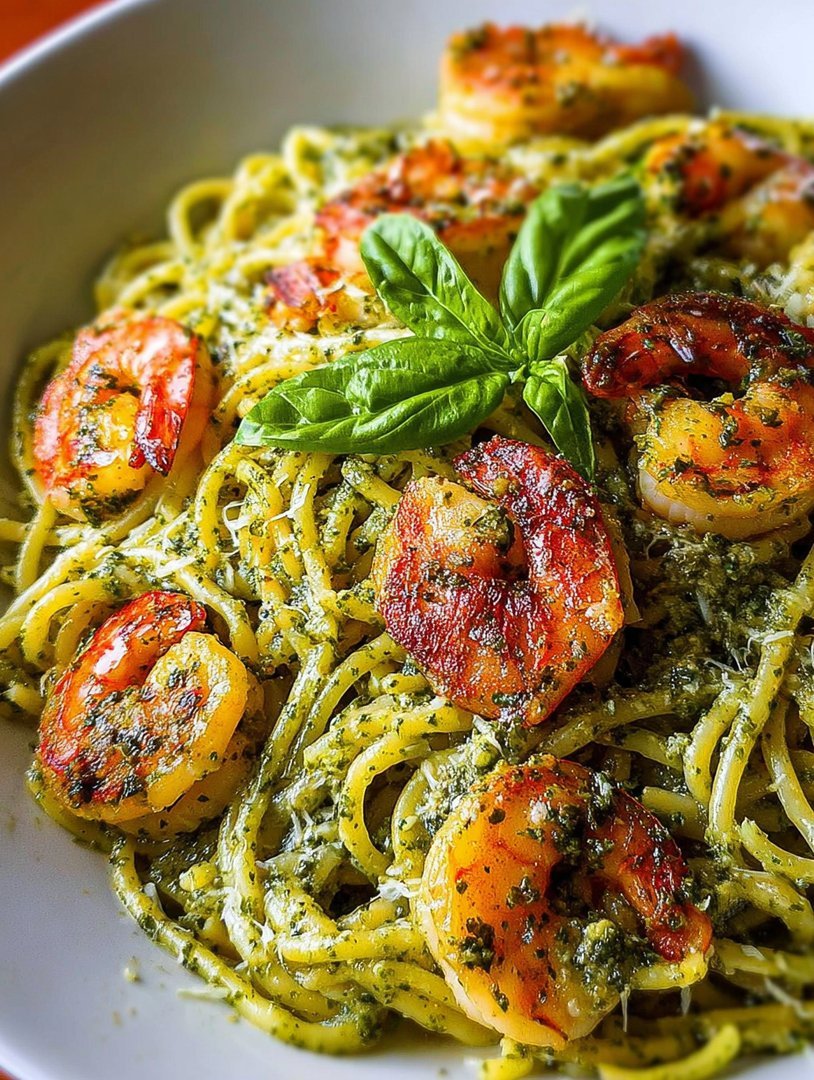
Start by cooking the pasta until perfectly al dente, reserving about one cup of the starchy water. While the pasta boils, sear the shrimp quickly in butter and garlic until pink and curled. Combine the cooked noodles, shrimp, and generous dollops of pesto, using the pasta water to create a silky, emulsified sauce.
Step-by-Step Instructions for Pesto Shrimp Pasta
Boil the Pasta
Bring a large pot of heavily salted water to a rolling boil. Add your pasta and cook according to package directions until it reaches that perfect al dente texture. Before draining, make sure to scoop out at least one cup of that cloudy, starchy water. Set the pasta aside in the colander.
Sear the Shrimp
While the pasta is cooking, melt the butter in a large, deep skillet or Dutch oven over medium-high heat. Add the minced garlic and sauté for about 30 seconds until fragrant. Now, add your dried shrimp to the skillet. Season them generously with salt, pepper, and a pinch of red pepper flakes if you like spice.
Sear the shrimp for about 2 to 3 minutes per side. They should turn pink and opaque, developing a slight golden crust. Do not overcook them, or they will become rubbery. Remove the shrimp from the skillet and set them aside on a plate; leave the garlic butter and any cooking residue behind in the pan—that’s flavor we need!
Assemble the Sauce
Reduce the heat on the skillet to low. Add the fresh basil pesto directly into the skillet with the remaining butter and garlic. Stir this mixture gently for about one minute to warm the pesto through. If you are using heavy cream for an extra creamy Pesto Shrimp Pasta, stir it in now until the sauce looks luscious.
Toss and Finish
Add the drained pasta directly into the sauce in the skillet. Using tongs, toss the pasta vigorously to coat every strand. This is where the reserved pasta water becomes indispensable. Add the water gradually, about 1/4 cup at a time, continuing to toss the pasta until the sauce is creamy and adheres beautifully to the noodles. This technique prevents the pesto from separating into an oily mess.
Finally, return the seared shrimp to the pan. Toss briefly just to warm them up, then stir in most of the grated Parmesan-style cheese, reserving a little for garnish. Serve immediately in wide bowls, ensuring everyone gets a hefty portion of this vibrant seafood dish.
One evening, I decided to serve this dish to my incredibly critical brother, who claims to hate all green sauces. He took one bite, paused, and declared it “surprisingly not awful.” That, folks, is the highest praise you can get from him. I learned that day that sometimes, the simplest recipes carry the most weight.
Chef’s Insider Tips for Flavor Perfection
- Always pat your shrimp dry before cooking; excess moisture prevents proper searing and leads to steaming, which dulls the texture and flavor.
- When using the reserved pasta water, add it slowly until the sauce coats a spoon, ensuring you achieve a perfectly creamy and emulsified consistency without making the dish watery.
- Toast a handful of pine nuts lightly in a dry pan before you start cooking the shrimp; sprinkling them over the finished meal adds a wonderful texture and aroma boost.
Add Your Touch
Elevate this dish by swapping basil pesto for sun-dried tomato or arugula pesto for a bolder taste. Include charred cherry tomatoes or a dash of lemon zest before serving. For added protein, toss in sliced grilled chicken breast or substitute the shrimp with pan-seared scallops.
Variations and Pairing Suggestions
If you love a little extra crunch, toasted slivered almonds or walnuts make excellent substitutes for the traditional pine nuts found in pesto. For a vegetable boost, stir in some blanched asparagus spears or lightly sautéed zucchini ribbons along with the shrimp and pasta. The key is balance; the bright flavor of the pesto should always shine through.
To complement the richness of the Pesto Shrimp Pasta, serve it alongside a crisp, peppery arugula salad dressed simply with olive oil and fresh lemon juice. A slice of crusty, artisanal bread is also highly encouraged for mopping up any leftover sauce—a move that is essential for true satisfaction.
Storing & Reheating
Store leftovers in an airtight container for up to three days. To reheat, add a tablespoon of chicken broth or water to a skillet over low heat, stirring constantly, to restore the sauce’s creamy consistency and prevent the pasta from drying out.
Common Questions About Your Creamy Shrimp Noodles
How can I make the sauce thicker?
If your sauce looks too thin, you can thicken it easily by stirring in more grated Parmesan-style cheese or adding a little more heavy cream. Alternatively, if you did not reserve enough pasta water, a tiny pinch of cornstarch mixed with cold water can be added while stirring over low heat.
Can I prepare the shrimp ahead of time?
You can certainly peel and devein the shrimp up to 24 hours in advance. However, for the best flavor and texture, you should only sear the shrimp immediately before adding it to the assembled pasta dish. This prevents the shrimp from becoming tough or losing its beautiful crust.
What kind of noodles works best with pesto?
Pesto pairs exceptionally well with long noodles like linguine, fettuccine, or spaghetti, as they allow the vibrant sauce to cling perfectly. Shorter, textured shapes like fusilli or rotini also work well because the swirls and crevices trap the herbaceous mixture beautifully.
This simple Pesto Shrimp Pasta recipe is a testament to the fact that fast food doesn’t have to be bland food. It’s the definition of minimal effort, maximum return. Go forth and conquer your weeknights with a bowl full of this herbaceous, garlicky, and perfectly balanced meal. You deserve a dinner this delicious, and frankly, you deserve one that only took 20 minutes to achieve.
Conclusion for Pesto Shrimp Pasta
We’ve officially conquered the weeknight dinner battle with this spectacular pesto shrimp pasta. Remember the trifecta of success: vibrant homemade or high-quality store-bought pesto, perfectly cooked al dente pasta, and shrimp that are tender, not rubbery. This amazing dish proves that sophisticated, restaurant-worthy meals don’t require hours of complex prep or an arsenal of complicated ingredients. It’s quick to assemble, dazzlingly flavorful, and universally satisfying for the whole family. Whether you’re spontaneously entertaining guests or simply rewarding yourself after a long week, this basil-infused seafood pasta remains the ultimate speedy comfort food.
Print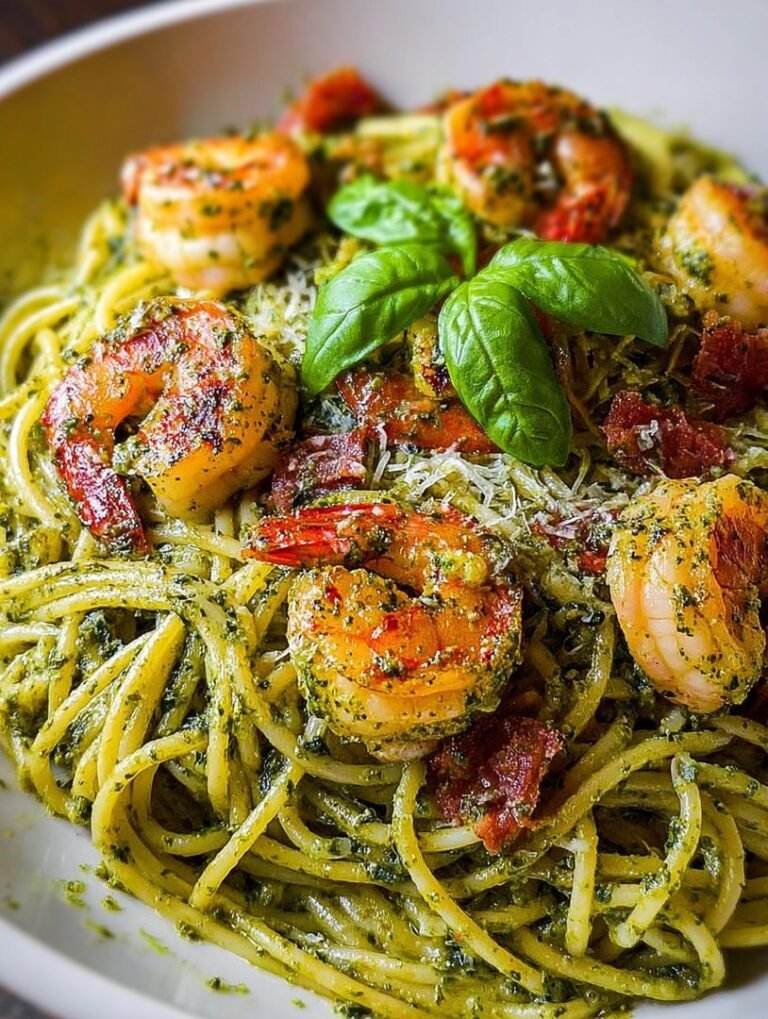
Pesto Shrimp Pasta
Speedy weeknight luxury! Al dente linguine embraces rich basil pesto and plump, seared shrimp finished with savory garlic. Includes simple instructions and full nutrition facts.
- Total Time: 35 minutes
- Yield: 4 servings 1x
Ingredients
- 12 ounces linguine or fettuccine pasta
- 1 pound large shrimp, peeled and deveined
- 1/2 cup prepared basil pesto
- 3 tablespoons olive oil, divided
- 3 cloves garlic, minced
- 1 cup cherry tomatoes, halved
- 1/4 cup grated Parmesan cheese
- Salt and freshly ground black pepper, to taste
Instructions
- Step 1: Cook the pasta according to package instructions until al dente. Before draining, reserve about 1/2 cup of the starchy pasta water, then drain the remaining water completely.
- Step 2: While the pasta cooks, heat 2 tablespoons of olive oil in a large skillet or pan over medium-high heat. Add the shrimp and cook for 2-3 minutes per side until pink and opaque; remove the shrimp and set aside.
- Step 3: Reduce the heat to medium. Add the remaining 1 tablespoon of olive oil, the minced garlic, and the halved cherry tomatoes to the skillet. Sauté for about 2 minutes until the garlic is fragrant and the tomatoes begin to soften slightly.
- Step 4: Add the drained pasta, the cooked shrimp, and the 1/2 cup of basil pesto to the skillet. Toss thoroughly to coat all ingredients evenly. If the mixture seems too dry, add the reserved pasta water, 1-2 tablespoons at a time, until a light sauce consistency is achieved.
- Step 5: Stir in the grated Parmesan cheese and season the dish with salt and freshly ground black pepper. Toss briefly and serve immediately, garnished with additional Parmesan if desired.
Notes
- For optimal flavor, store leftovers in an airtight container for up to 2 days, keeping in mind that the basil in the pesto may darken slightly when refrigerated.
- To reheat, use a skillet over very low heat, adding a tablespoon of fresh olive oil or water to rehydrate the pasta and keep the shrimp from becoming rubbery.
- Brighten the savory richness of the pesto by serving this pasta alongside a simple side of crusty garlic bread and a crisp arugula salad with a light lemon vinaigrette.
- The secret to achieving a silky, non-oily sauce is to add the reserved starchy pasta water gradually in Step 4; this emulsifies the pesto and oil into a cohesive, creamy coating.
- Prep Time: 15 minutes
- Cook Time: 20 minutes
- Method: Stovetop
- Cuisine: American
FAQs
What is the best type of pasta to use when making Pesto Shrimp Pasta?
Opt for pasta shapes that hold creamy sauces well. Linguine or fettuccine are classic choices, as their long strands grab every bit of basil goodness and cling beautifully to the shrimp. However, don’t overlook short shapes like rotini or fusilli; their spirals are fantastic for catching the diced cherry tomatoes or pine nuts, ensuring every mouthful of your shrimp and basil pasta is perfectly balanced. This specific seafood pesto dish demands structural integrity to support the succulent seafood and rich sauce, so avoid overly thin pasta like angel hair, which tends to break down under the weight of the robust sauce.
Can I prepare and freeze the components of this vibrant seafood dish ahead of time?
Generally, freezing cooked pasta mixed with creamy sauces is not recommended, as the texture often becomes grainy and the pasta turns disappointingly mushy upon thawing. However, you can certainly prepare the shrimp separately by searing it lightly and storing it in an airtight container for up to three months if you plan to freeze them. The fresh pesto itself, if made without dairy, freezes beautifully in small containers or ice cube trays for later use. If your basil sauce contains cheese, it’s best to consume it within three days, reserving the combination step until just before serving for optimal flavor and texture integrity.
How can I ensure my homemade Pesto Shrimp Pasta has maximum flavor and zing?
The secret to truly vibrant flavor in your homemade pesto shrimp pasta is layering acidity and freshness right before serving. Always finish the dish with a generous squeeze of fresh lemon juice—it dramatically brightens the rich pesto and cuts through the oil beautifully, preventing the flavor from feeling heavy. Instead of standard dried basil, garnish the dish with fresh basil leaves for an aromatic burst. Also, consider pan-searing the shrimp quickly over high heat to achieve a lovely caramelization; deglaze the hot pan with a little splash of vegetable broth before adding the pesto to incorporate those savory browned bits directly into your sauce base.
What are some good non-shrimp protein additions for this quick pasta meal?
If you need a break from seafood or want to bulk up this easy weeknight meal, several proteins pair beautifully with basil pesto. Thinly sliced grilled chicken breast is an excellent substitution, offering a mild, familiar flavor that absorbs the vibrant pesto exceptionally well. Alternatively, strips of lean seared turkey or even crumbled ground beef, seasoned simply with garlic and dried herbs, provide a comforting heartiness. Ensure whatever protein you choose is cooked completely through before tossing it with the pasta and sauce, but avoid overcooking, as the residual heat from the freshly drained pasta will continue the cooking process.





Leave a Comment