
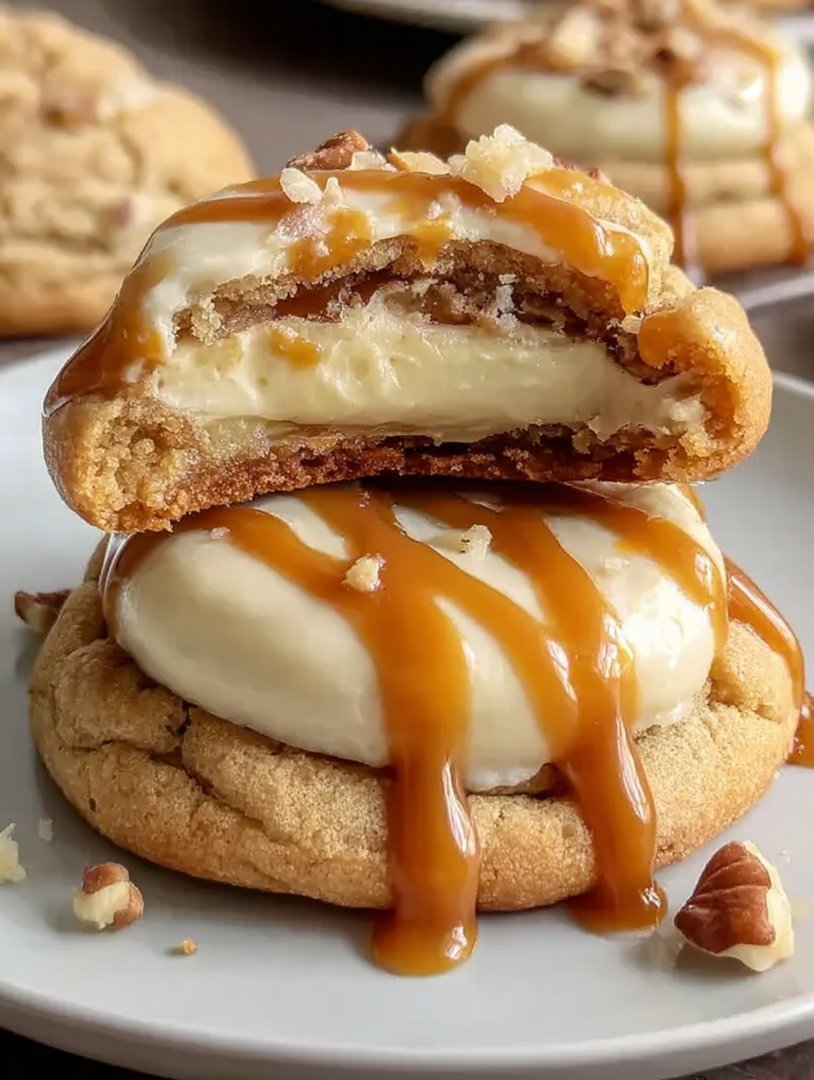
The moment that rich, buttery aroma hits your nose, you know you’ve made a terrible, wonderful mistake. Life is too short for decisions, so we combine two perfect desserts: introducing the legendary Caramel Cheesecake Cookies. Forget trying to choose between creamy indulgence and satisfying crunch; this recipe eliminates conflict, leaving only pure, blissful sugar rush and an empty cookie jar, which is a sign of success, honestly.
- Effortlessly combining the tangy richness of cheesecake filling with the chewiness of a classic bakery cookie base for ultimate enjoyment.
- The stunning crackle-top appearance and drizzle of luscious, gooey caramel make these decadent treats highly photogenic and supremely impressive.
- These delightful cookies are easily adaptable for various occasions, perfect whether served slightly warm after dinner or chilled at a relaxed picnic lunch.
- A remarkably simple recipe structure that minimizes prep time, allowing even beginner bakers to achieve professional-level, high-flavor results quickly.
The Culinary Origin Story of a Legendary Treat
Every baker has that moment of existential crisis while staring into the dessert menu: Do I choose the smooth, tangy, creamy delight of cheesecake, or do I surrender to the comforting, sugary embrace of a perfectly baked cookie? Historically, this forced choice has caused far too much internal turmoil. I decided to end this tyranny of indecision by merging two dessert titans into one spectacular baked item. My journey into creating the definitive Caramel Cheesecake Cookies started years ago, fueled by sheer stubbornness and a healthy obsession with dairy products.
The secret weapon here is contrast. We are not making a cheesecake-flavored cookie; we are essentially making mini, portable cookie cups that hug a luscious pocket of creamy, tangy filling, all crowned with a sticky, complex caramel topping. When you bite into one, you get the slight resistance of the edges, the softness of the interior, and then—bam—the smooth, cool burst of cheesecake filling cuts through the rich sweetness. It’s a texture party that your palate RSVP’d to immediately, possibly while wearing elastic pants.
Decoding the Perfect Cheesecake Filling for Cookies
To successfully integrate cheesecake into a baked item without it melting into a sad, greasy puddle, we must treat the filling with respect. First, always use full-fat cream cheese. This is not the time to be cautious; the fat content is essential for stability and flavor depth. The cream cheese must be genuinely softened to room temperature—not nuked in the microwave until it’s lukewarm, but sitting patiently on the counter until it yields easily to a spoon. This ensures you can beat it smooth without incorporating too much air, which prevents puffing and subsequent collapse during baking.
We combine this softened cream cheese with a little granulated sugar and just a touch of flour or cornstarch. That starchy binding agent is the unsung hero of this recipe; it works tirelessly to hold the moisture in the cheese mixture and prevents it from separating when exposed to oven heat. Remember, consistency is king. You want a smooth, thick batter that is easily spooned but doesn’t run. This meticulous approach guarantees that every cookie contains a distinct, creamy heart that tastes exactly like the filling of a New York-style cheesecake.
Essential Baking Science: Achieving the Ideal Texture
The base dough for these cookies needs to be sturdy enough to contain the substantial filling without completely spreading out into oblivion. We aim for thickness and chewiness, requiring careful attention to the butter and sugar ratios. The foundational difference between a spread-out, flat cookie and a tall, chewy one often comes down to the temperature of your butter. Use softened, but not melted, butter when creaming it with the sugars. This process creates tiny air pockets that provide lift and structure when combined with the leavening agents.
The Golden Ratio of Gooeyness and Crunch
Once you’ve mixed the dough—taking care not to overmix after adding the dry ingredients—you must chill it. Skipping the chilling step is the number one cause of cookie tragedy. Chilling allows the flour to fully hydrate and, crucially, solidifies the butter. When cold dough hits a hot oven, the butter takes longer to melt, slowing the spread and resulting in a thicker, chewier final cookie. Thirty minutes is the minimum, but an hour in the refrigerator yields superior results. When scooping, use a generous cookie scoop—these are hefty desserts, not dainty tea biscuits—and create a substantial well in the center to cradle the cheesecake mixture. If the well is too shallow, the filling will inevitably overflow and burn.
Mastering the Homemade Caramel Drizzle
While you can absolutely use store-bought caramel, making your own elevates these treats to an entirely different dimension. Homemade caramel offers a deeper, more complex flavor profile, boasting those slightly smoky, toasted sugar notes that jarred sauces often lack. The process involves heating granulated sugar with a small amount of water until it caramelizes into a deep amber liquid. Resist the urge to stir the sugar while it’s heating, as this can cause crystallization. Instead, gently swirl the pan to ensure even coloring.
Once the sugar is perfectly amber, remove it from the heat and carefully whisk in heavy cream and a pinch of salt. The mixture will bubble vigorously and thicken. Adding a touch of vanilla bean paste at the end introduces an aromatic complexity that beautifully complements the tang of the cheesecake filling. If your caramel seems too thick after cooling, gently warm it again with a tablespoon of milk or cream until it reaches that perfect, ribbon-like consistency for drizzling over the cooled Caramel Cheesecake Cookies.
Troubleshooting Common Cookie Catastrophes
Even the most seasoned baker runs into issues, especially when combining elements like a liquid filling and a solid dough. If your cookies consistently spread too much, revisit the chilling time. If they are perfectly chilled but still look like pancakes, check your flour measurement. Too little flour results in a wet, weak dough. Alternatively, if your oven temperature gauge is off, setting the oven slightly higher (say, 375°F instead of 350°F) can sometimes create a quicker crust barrier, limiting the spread before the cookie sets.
Why Your Cookies Spread Like Wildfire
Another frequent issue involves the filling separating or cracking during baking. This usually happens if the cream cheese mixture was over-aerated or if the oven temperature was too high, causing the filling to set too fast. Ensure your ingredients are at the specified temperature and try baking a test batch slightly lower and slower. A small crack in the filling is perfectly acceptable—that’s what the glorious caramel drizzle is for—it’s nature’s way of asking for more topping. Embrace the caramel as the delicious spackle of the baking world.
The Secret to Storing Your Decadent Delights
Because these cookies contain a substantial dairy element (the cream cheese filling), they require special storage attention compared to standard chocolate chip cookies. Once they have completely cooled, transfer them to an airtight container and store them in the refrigerator. They maintain their delicious texture and creamy center for up to five days. If you prefer to enjoy them warm, simply microwave a refrigerated cookie for 10–15 seconds before serving. They also freeze beautifully; wrap them tightly individually and place them in a freezer-safe bag. They can be frozen for up to two months, providing a secret stash for future dessert emergencies.
Ingredients for Caramel Cheesecake Cookies
Here’s what you’ll need to make this delicious dish:
- All-Purpose FlourThe structural backbone of the cookie; ensure you measure it using the scoop and level method for accuracy.
- Baking Powder and Baking SodaThese provide the necessary lift and aid in creating a soft, chewy texture.
- Unsalted ButterMust be softened to room temperature for proper creaming and structure development in the dough.
- Granulated Sugar and Light Brown SugarThe combination adds both sweetness and moisture, with brown sugar enhancing the chewiness.
- EggsAct as a binder and provide richness; ensure they are also at room temperature for emulsification.
- Vanilla PowderUse high-quality extract to enhance the overall flavor profile of both the dough and the filling.
- Full-Fat Cream CheeseEssential for the creamy, tangy filling; must be completely softened before mixing.
- SaltBalances the sweetness and enhances the flavor of all the other ingredients in the recipe.
- Heavy Whipping CreamUsed in the caramel sauce to stop the cooking process and create a rich, smooth consistency.
The full ingredients list, including measurements, is provided in the recipe card directly below.
How to Make Caramel Cheesecake Cookies
Follow these simple steps to prepare this delicious dish:
Step 1: Prepare the Cookie Dough Base
In a large bowl, cream the softened butter and both sugars using an electric mixer until the mixture is light and fluffy, usually 3 to 5 minutes. Beat in the eggs one at a time, followed by the vanilla powder. In a separate bowl, whisk together the flour, baking powder, baking soda, and salt. Gradually add the dry ingredients to the wet mixture, mixing only until just combined. Wrap the dough and chill it in the refrigerator for at least 30 minutes.
Step 2: Create the Creamy Cheesecake Filling
While the dough chills, prepare the filling. Beat the fully softened cream cheese, granulated sugar, and vanilla powder until completely smooth and creamy. Mix in the flour or cornstarch until incorporated; avoid overmixing. Set this filling aside at room temperature while you preheat the oven to 350°F (175°C).
Step 3: Assemble and Bake the Cookies
Scoop the chilled dough onto baking sheets lined with parchment paper, using a large cookie scoop (about 3 tablespoons per cookie). Use the back of a spoon or your thumb to create a deep well in the center of each dough ball. Spoon approximately one generous teaspoon of the cheesecake filling into the center of each well. Bake for 12 to 15 minutes, or until the edges are light golden brown and the filling is set but slightly jiggly in the middle.
Step 4: Prepare and Apply the Caramel Drizzle
While the cookies cool completely on a wire rack, prepare the caramel. Melt the granulated sugar and water in a saucepan over medium heat, swirling occasionally until it turns a deep amber color. Remove from heat and carefully whisk in the heavy cream and salt until smooth. Let the caramel cool slightly until it thickens to a drizzling consistency. Once the cookies are entirely cool, drizzle the caramel generously over the top of the set cheesecake filling.
Transfer to plates and drizzle with sauce for the perfect finishing touch.
The Accidental Discovery of Sunshine on a Plate
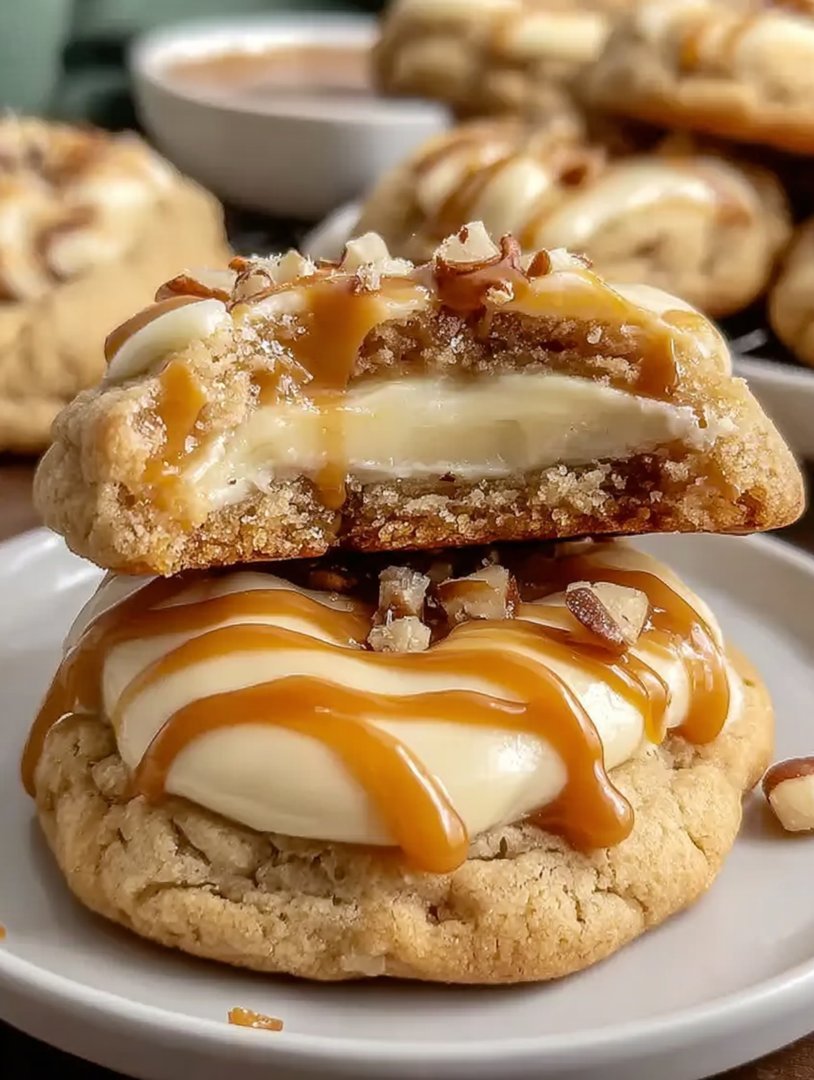
I was originally attempting a complicated cheesecake bar recipe, juggling a toddler and a melting block of cream cheese, when disaster struck—the crust crumbled. Instead of tears, I decided to salvage the filling and swirl it into simple sugar cookie dough, adding a drizzle of my emergency caramel stash. The result? These glorious Caramel Cheesecake Cookies.
The Alchemy of Softness: Why This Recipe Works
There is an unspoken rule in the baking world: if it involves cream cheese, it’s probably magical. But these aren’t just any cookies; they are an experience. They start with a tender, buttery sugar cookie base—the comforting foundation that whispers sweet nothings to your palate. We then crown this foundation with a luscious, tangy cheesecake filling, turning a simple drop cookie into a miniature dessert centerpiece. The final flourish, that shimmering river of caramel, doesn’t just add sweetness; it provides depth, a slightly smoky, rich counterpoint to the creamy tang.
I’ve spent years chasing the perfect texture in cookies, often ending up with treats that resemble either flat, greasy disasters or inedible hockey pucks. The trick with these Caramel Cheesecake Cookies is temperature control and precision during the filling stage. We want the cookie dough firm enough to hold its shape but the cream cheese filling soft enough to dollop without tearing the base. If you successfully nail this balance, you get a cookie that is satisfyingly chewy at the edges, profoundly soft in the center, and bursting with two distinct, yet harmonious, flavors.
Essential Ingredients for Dessert Domination
Before we dive into the method, let’s ensure our pantry is stocked for maximum deliciousness. Quality matters here, especially with the dairy elements. Use full-fat cream cheese; this is certainly not the time to be frugal on flavor or structure. The necessary tang of the cream cheese is vital to cut through the richness of the caramel. For the caramel, while a homemade version is truly divine, a high-quality, thick store-bought caramel works beautifully for ease, especially if you’re making these late at night after realizing you need a massive morale boost immediately.
- For the Cookie Base:
- 2 1/2 cups all-purpose flour
- 1 teaspoon baking soda
- 1/2 teaspoon salt
- 1 cup (2 sticks) unsalted butter, softened
- 3/4 cup granulated sugar
- 1/2 cup packed light brown sugar
- 2 large eggs
- 2 teaspoons vanilla powder
- For the Cheesecake Filling:
- 8 ounces full-fat cream cheese, softened
- 1/4 cup granulated sugar
- 1 teaspoon vanilla powder
- 1 large egg yolk
- The Caramel Swirl:
- 1/2 cup thick caramel sauce (ensure it’s dairy-based and shelf-stable, or homemade)
Mastering the Creamy Caramel Cheesecake Cookies
Prepping for Perfection
Start your baking adventure by setting the oven rack to the middle position and preheating the oven to 350°F (175°C). Line two large baking sheets with parchment paper or silicone mats—the cheesecake filling can stick fiercely, and nobody enjoys scraping caramelized dairy off metal surfaces. Next, tackle the filling: in a medium bowl, beat the softened cream cheese until it reaches a creamy, smooth consistency. Add the sugar, vanilla, and egg yolk, mixing just until combined. Refrigerate this filling while you work on the dough; chilling is essential because it helps the filling stay put when baking at high temperatures.
Building the Buttery Base
In a separate large bowl, whisk together the flour, baking soda, and salt until they are evenly distributed. Set the dry ingredients aside momentarily. In the bowl of a stand mixer fitted with the paddle attachment, cream together the softened butter, granulated sugar, and brown sugar on medium speed until the mixture becomes light and remarkably fluffy—this usually demands about 3 to 4 minutes of mixing. Stop the mixer frequently to carefully scrape down the sides of the bowl to ensure everything is incorporated properly. Beat in the eggs one at a time, ensuring each egg is fully incorporated before you add the next one, followed by the vanilla powder.
Reduce the mixer speed to low now. Gradually introduce the dry ingredients into the wet mixture, mixing only until the dough is just combined. Resist the urge to overmix the dough, as that develops too much gluten, which sadly results in tough and less tender cookies. Once the dough comes together nicely, use a medium cookie scoop (about 2 tablespoons capacity) to portion the dough onto the prepared baking sheets, leaving approximately 2 inches of space between each mound. This particular dough doesn’t spread dramatically, but we certainly need ample room for the cheesecake swirl to expand slightly.
The Swirl Technique
This critical step is precisely where the magic happens and where we transform simple sugar dough into decadent Caramel Cheesecake Cookies. Using the back of a small measuring teaspoon, create a distinct, small indentation or well right in the center of each cookie dough ball. This well will perfectly cradle the cheesecake filling and prevent it from running off the sides. Retrieve the chilled cream cheese mixture from the refrigerator. If it feels too stiff to manage, beat it quickly for just a few seconds to make it more spreadable. Spoon about a teaspoon of the cheesecake filling directly into the center of each indentation.
Now, grab your trusty caramel sauce. If the caramel is notably thick, warm it gently in a microwave for about 10–15 seconds to achieve a slightly more pourable consistency. Drizzle a small amount of caramel over the cream cheese filling, making a quick, decorative swirl with a toothpick if you desire to gently marble the cream and caramel together. Remember the adage that less is often more here; too much filling or caramel will unfortunately cause explosive blowouts during the baking phase. Bake the cookies for 12 to 14 minutes. The edges of the cookies should look lightly golden, but the cheesecake center must remain slightly pale, shiny, and fully set before removing them from the oven.
Perfecting the Cooking Process
For optimal results, prioritize chilling the cream cheese filling first, as a cold filling prevents excessive spreading during the initial bake. Then, prepare the cookie dough and portion it immediately. Wait until the dough is scooped and indented before spooning in the filling and caramel swirl to maximize efficiency and maintain the cookie structure.
Add Your Touch
Consider sprinkling a pinch of flaky sea salt over the caramel right before baking to intensify the flavor contrast, resulting in an enhanced salted caramel profile. For a textural twist, fold 1/2 cup of toasted pecans or walnuts into the cookie dough mixture. Alternatively, you could swap the cheesecake filling for a lemon curd for a bright, citrusy variation on these delightful caramelized cream cheese cookies.
Storing & Reheating
Store cooled cookies in an airtight container in the refrigerator for up to five days due to the perishable cream cheese filling component. For a quick refresher, warm them gently in a microwave for 10 seconds or bake in a low oven (300°F) for five minutes to achieve that fresh-baked warmth. You can also freeze the baked cookies for up to two months.
Chef’s Insider Tips for Bakery-Worthy Results
- Use room temperature butter for creaming, but ensure the cream cheese for the filling is very cold before whipping it, then chill it again briefly.
- Do not overbake these treats; removing them when the centers look barely set guarantees a deliciously soft and moist chewiness upon full cooling.
- If your chosen caramel sauce is noticeably thin, simmer it gently for a few minutes before using it; this prevents the caramel from pooling excessively during baking.
My brother once told me these Caramel Cheesecake Cookies tasted like a professional bakery had kidnapped my kitchen. It was high praise, considering the last time he visited, I nearly set the smoke alarm off trying to boil water for tea.
Conclusion for Caramel Cheesecake Cookies
The journey to creating the perfect Caramel Cheesecake Cookies is less about strict adherence to arbitrary rules and significantly more about embracing the joyful fusion of textures and dynamic tastes. We’ve expertly combined the satisfying chew of a classic butter cookie with the luxurious tang of cheesecake, all wrapped up beautifully in a blanket of rich, golden caramel. Whether you are baking for a special event or simply seeking a sophisticated twist on a comforting, classic dessert, these caramelized cream cheese delights deliver maximum satisfaction on every single front.
Remember the crucial key steps for success: ensure the filling is well-chilled, handle the buttery dough gently, and practice watchful, attentive baking. These steps virtually guarantee success, providing you with a batch of cookies that are truly unforgettable and absolutely guaranteed to earn you immediate star baker status among your highly impressed friends and devoted family. Go ahead, unleash the sunshine and share the delicious joy!
Print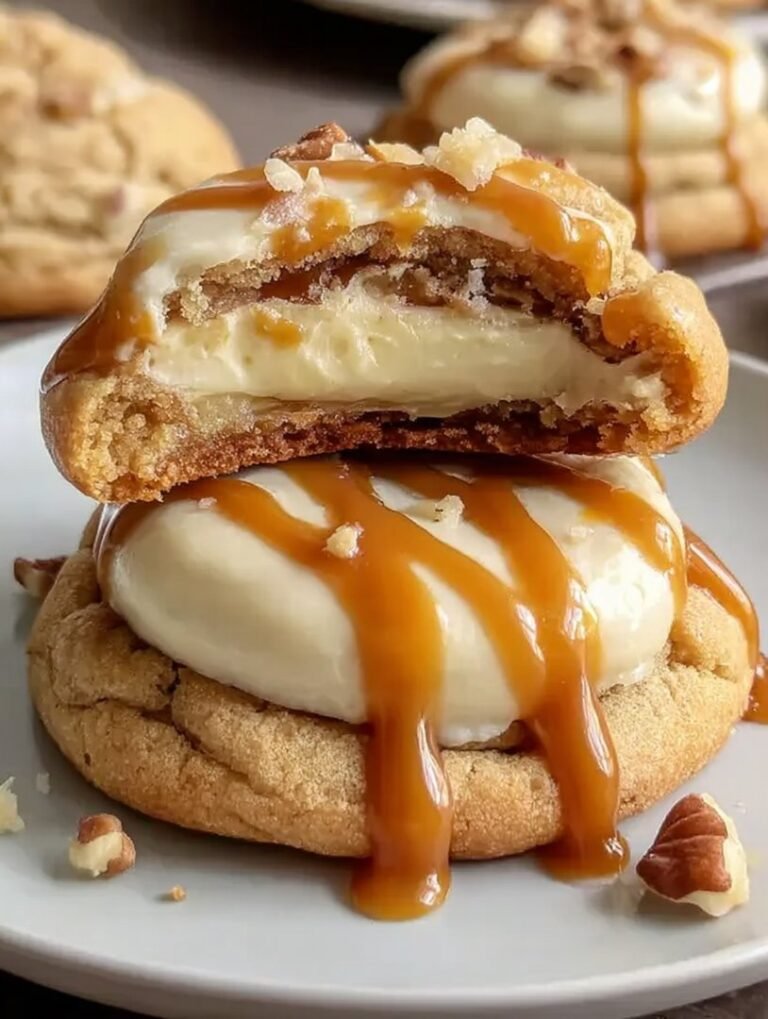
Caramel Cheesecake Cookies
These cookies are impossibly soft, blending tangy cream cheese with rich butter and sweet caramel notes. Learn the creaming technique for a perfect, fluffy bake.
- Total Time: 35 minutes
- Yield: 4 servings
Ingredients
- All-purpose flour: 2 cups
- Unsalted butter, softened: 1/2 cup
- Granulated sugar: 3/4 cup
- Cream cheese, softened: 4 ounces
- Large egg yolk: 1
- alcohol-free vanilla extract: 1 teaspoon
- Baking powder: 1/2 teaspoon
- Soft caramel sauce (or chopped soft caramel candies): 1/4 cup
Instructions
- Step 1: Preheat the oven to 350°F (175°C). In a large bowl or stand mixer, cream together the softened butter, cream cheese, and granulated sugar until the mixture is light and fluffy, about 2-3 minutes.
- Step 2: Beat in the egg yolk and alcohol-free vanilla extract until fully incorporated. Gradually add the flour and baking powder to the wet mixture, mixing on low speed until the dough just comes together and no streaks of flour remain.
- Step 3: Scoop the dough into 1.5-inch balls and arrange them 2 inches apart on a parchment-lined baking sheet. Using the back of a measuring teaspoon or your thumb, create a deep indentation in the center of each cookie ball.
- Step 4: Fill the indentation of each cookie with approximately 1 teaspoon of soft caramel sauce or a small piece of soft caramel candy.
- Step 5: Bake for 10 to 12 minutes, or until the edges are set and lightly golden brown. Allow the cookies to cool on the baking sheet for 5 minutes before transferring them to a wire rack to cool completely.
Notes
- For optimal flavor, store leftovers in an airtight container at room temperature for 2 days, or refrigerate if keeping them longer than that.
- If the caramel center has hardened after cooling or chilling, microwave individual cookies for 5 to 10 seconds to restore the gooey, soft texture.
- Serve these rich cookies warm with a light dusting of flaky sea salt to enhance the caramel sweetness, or pair them with a scoop of vanilla bean ice cream.
- When creating the indentation for the caramel, ensure it is deep and well-defined, as this prevents the gooey filling from spilling out as the cookies spread during baking.
- Prep Time: 15 minutes
- Cook Time: 20 minutes
- Method: Stovetop
- Cuisine: American





Leave a Comment