
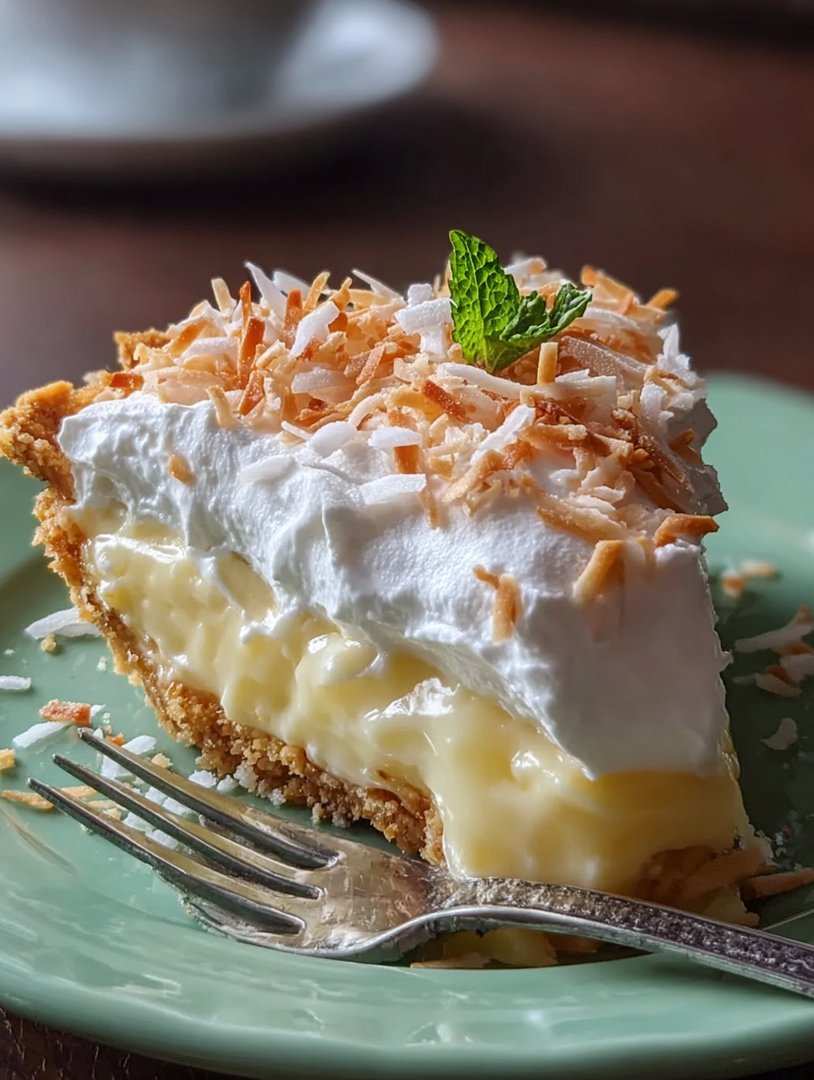
You are about to meet the dessert that ruined all other desserts for me. Just one bite of the silky custard, the crunch of the toasted coconut, and the perfect flaky crust will transport you straight to a beach vacation. This isn’t just pie; this isThe Absolute Best Coconut Cream Pieyou will ever create.
Forget those wobbly, artificial versions—we are diving deep into lush, creamy perfection here. This recipe solves the universal problem of watery filling, giving you a cloud-like texture that melts in your mouth and demands a second, and possibly a third, slice immediately.
- This pie features a ridiculously creamy, intensely flavored coconut custard that sets perfectly every single time, eliminating the fear of runny filling catastrophes.
- The combination of the crisp, buttery crust and the light, mountain-high homemade whipped topping creates an unrivaled texture contrast that elevates the experience.
- Visually stunning with toasted coconut flakes piled high, this dessert provides the ultimate showstopper for holidays or any event requiring celebratory flair.
- Despite its gourmet results, the preparation process remains straightforward enough for home bakers of all skill levels to master easily on their first attempt.
Why Coconut Cream Pie is the King of Comfort Desserts
I once told my therapist I was feeling overwhelmed. She suggested mindfulness, deep breathing, and perhaps scheduling some quiet time. I politely nodded, but what I really heard was: “You need a slice of cold, decadent coconut cream pie.” She probably didn’t say that, but the pie works better than meditation anyway. Coconut cream pie holds a revered spot in the pantheon of American desserts, largely because it manages to be simultaneously luxurious and deeply nostalgic.
While chocolate demands attention and fruit pies shout about seasonality, coconut cream pie whispers sweet nothings about tropical breezes and grandma’s kitchen. It’s the perfect blend of simple ingredients elevated through precise technique. The secret isn’t just in the coconut—it’s in the dedication to that flawless cream base. Many recipes cut corners, relying on canned puddings or artificial flavorings, which results in a pale imitation of the classic. We refuse to settle. We are aiming for the kind of rich, natural flavor that makes people close their eyes and hum contentedly.
Historically, cream pies gained popularity in the 19th century, becoming staples in diners and farmhouses across the US. They were practical desserts, often utilizing milk, eggs, and available sweeteners. When desiccated coconut became widely available, a star was born. But achieving true greatness—a pie so magnificent it warrants the title—requires patience, especially when cooking the custard. Rushing this process is the culinary equivalent of trying to assemble flat-pack furniture without reading the instructions: messy, frustrating, and likely to collapse when you need it most.
The Science of Silky Smooth Custard
The biggest challenge in cream pie preparation is achieving that thick, yet silky-smooth texture without it turning into rubber cement. Our method relies on a carefully calibrated blend of cornstarch and egg yolks, tempered expertly to prevent scrambling. Think of tempering as the delicate handshake between hot liquid and cold eggs. You introduce them slowly so they get along, rather than throwing them into a screaming match in the saucepan.
We are using full-fat coconut milk and cream, combined with whole milk, to build a base that is inherently richer than standard milk-only custards. This maximizes the tropical essence while providing unparalleled mouthfeel. Remember, the custard must bubble thickly for at least one full minute after reaching maximum viscosity. Why a minute? Because cornstarch needs time and temperature to fully activate its thickening powers. If you skip that minute, your pie filling might look set when hot, only to stage a tragic, watery rebellion when chilled. Don’t let your efforts end in a soupy disaster; stand strong and stir for that critical sixty seconds.
Choosing the Perfect Crust and Topping
A mediocre crust is the Achilles’ heel of an otherwise perfect pie. While a standard butter crust is fantastic, forThe Absolute Best Coconut Cream Pie, you might consider a shortbread or even a crushed vanilla wafer crust for extra sweetness and structural integrity. Whichever you choose, ensure it is fully blind-baked and cooled completely before adding the filling. Heat trapped in the crust will immediately compromise the setting process of the custard, leading back to that dreaded soupy filling scenario.
The crowning glory of this dessert is, without question, the topping. We are moving beyond the can of whipped topping and embracing homemade perfection. Whipping heavy cream with a touch of powdered sugar and alcohol-free vanilla extract yields a cloud of sweetness that perfectly balances the rich custard. Toasted coconut is mandatory here, offering both a necessary crunch and an intensified coconut flavor that plain flakes simply cannot deliver.
Tips for Toasting Coconut Flakes Like a Pro
Toasting coconut flakes is simple, but requires the attention span of a dedicated chicken. Coconut goes from perfectly golden to charred despair in milliseconds. You have two main options: oven or stovetop. The oven method, where you spread the flakes thinly on a baking sheet lined with parchment paper and bake at 325°F (160°C), stirring every two minutes, offers the most even browning. Alternatively, the stovetop method uses a dry, non-stick skillet over medium-low heat, where you add the flakes and stir constantly, literally without stopping, until they reach your desired shade of golden brown. This method is faster but demands absolute vigilance to prevent scorching.
The goal is a deep, nutty aroma and a rich, golden-brown hue. Once toasted, transfer the flakes immediately to a cool plate to stop the cooking process. Residual heat in the pan will continue to brown them, potentially leading to bitterness. Use these beautifully toasted flakes liberally both in the custard (optional, but recommended) and as the final flourish on the topping. Ensuring your toppings are prepared with care significantly elevates the entire experience, transforming a simple dessert into a masterpiece worthy of a special occasion.
Ingredients for The Absolute Best Coconut Cream Pie
Here’s what you’ll need to make this delicious dish:
- Pie CrustUse a pre-baked 9-inch crust, ideally shortbread or flaky butter pastry, ensuring it is completely cool before starting the filling process.
- Full-Fat Coconut MilkThis provides the primary tropical flavor and richness; shake the can well before opening to incorporate the cream layer.
- Granulated SugarSweetens the custard base, balancing the rich coconut flavors and activating the cornstarch thickener effectively.
- CornstarchActs as the primary thickening agent, ensuring a firm, sliceable texture without relying on animal pectin.
- SaltJust a pinch enhances the overall flavor profile of the dessert, preventing the sweetness from becoming cloying.
- Egg YolksThese enrich the custard, providing color, depth of flavor, and secondary thickening power after being tempered properly.
- ButterA tablespoon of unsalted butter stirred in at the end adds luxurious gloss and incredible smoothness to the finished filling.
- Sweetened Shredded CoconutUsed in the filling and for decoration; make sure it is fresh for optimal moisture and flavor.
- Heavy Whipping CreamUsed to make the light, airy topping that contrasts beautifully with the dense, cold filling.
- Powdered Sugar and Alcohol-Free Vanilla ExtractUsed to flavor the whipped cream, adding a subtle sweetness and enhancing the aromatic profile.
The full ingredients list, including measurements, is provided in the recipe card directly below.
How to Make The Absolute Best Coconut Cream Pie
Follow these simple steps to prepare this delicious dish:
-
Step 1: Prep the Custard Base and Temper the Eggs
Combine the coconut milk, whole milk, sugar, cornstarch, and salt in a medium saucepan. Whisk until smooth. In a separate bowl, lightly whisk the egg yolks. Heat the mixture over medium heat, stirring constantly, until it begins to steam. Scoop about a half cup of the hot liquid and slowly drizzle it into the egg yolks while whisking vigorously (this is tempering). Pour the tempered yolk mixture back into the saucepan with the remaining liquid.
-
Step 2: Cook and Thicken the Filling
Return the saucepan to medium heat and continue whisking constantly. The mixture will begin to visibly thicken rapidly. Once it reaches a boil, continue stirring and boiling gently for exactly one full minute to ensure the cornstarch is fully activated. Remove the custard from the heat immediately and stir in the butter, alcohol-free vanilla extract, and shredded coconut until fully incorporated.
-
Step 3: Cool and Chill the Pie
Pour the hot coconut custard directly into the prepared, cooled pie shell. Place a piece of plastic wrap directly onto the surface of the filling to prevent a skin from forming as it cools. Allow the pie to cool on the counter for about an hour, then transfer it to the refrigerator. Chill for a minimum of 6 hours, or ideally overnight, ensuring the filling is completely set before decorating.
-
Step 4: Prepare and Apply the Whipped Topping
In a large, chilled mixing bowl, whip the heavy cream, powdered sugar, and alcohol-free vanilla extract using an electric mixer until stiff peaks form. Remove the chilled pie from the refrigerator and gently dollop or pipe the whipped cream over the top of the set custard layer. Ensure the topping covers the pie entirely, creating a magnificent dome.
-
Step 5: Decorate and Serve
Generously sprinkle the toasted coconut flakes over the entire surface of the whipped topping. For extra flair, lightly toast a few large flakes until golden brown and place them strategically on top. Slice the pie with a sharp knife and serve immediately for the ultimate creamy experience.
Transfer to plates and drizzle with a touch of melted white chocolate (optional) for the perfect finishing touch.
Troubleshooting Common Coconut Cream Pie Problems
Even the most seasoned baker runs into trouble sometimes. The good news is that most issues with cream pies relate to temperature and timing, both of which are easily addressed with a little know-how. By understanding why certain problems occur, you can ensure your final product lives up to the promise of beingThe Absolute Best Coconut Cream Pie.
Why Is My Filling Runny?
Runny filling is the number one tragedy of cream pie making. It almost always results from insufficient cooking time. As mentioned earlier, the custard must reach a full boil and maintain that boil for a solid 60 seconds. If you pull it off the heat as soon as it thickens, the cornstarch won’t have fully gelled, and chilling will not save it. Another culprit could be insufficient tempering of the egg yolks, causing them to break down and release moisture. Ensure you add the hot milk mixture to the yolks very slowly!
How Do I Prevent the Crust from Getting Soggy?
Soggy bottom crusts occur when moisture migrates from the filling into the crust. To combat this, you must thoroughly blind-bake the crust until it is golden brown and firm, not just pale. Furthermore, before adding the filling, some bakers brush the interior of the cooled crust with a thin layer of melted white chocolate or even a simple egg wash and flash bake it, creating a moisture barrier. Ensure the filling is only added once the crust is fully cooled.
Can I Make This Pie Ahead of Time?
Absolutely, and frankly, you should. This pie requires substantial chilling time (at least six hours) for the custard to set properly, making it an ideal make-ahead dessert. You can prepare and chill the custard-filled pie up to 24 hours in advance. However, wait to prepare and apply the whipped topping and toasted coconut until just a few hours before serving. Whipped cream tends to weep or deflate if left on the pie for too long, compromising that beautiful, fluffy texture.
Substitutions and Variations for the Tropical Treat
While this recipe provides the blueprint for perfection, you can certainly tweak it to match your preference or dietary needs. The robust foundation of the custard allows for minor ingredient adjustments without sacrificing quality.
Flavor Variations for the Custard
If you desire an extra punch of flavor, consider infusing the milk with tropical spices like cardamom pods or a scraped vanilla bean during the heating process. Simply strain the milk before adding it to the yolks and cornstarch mixture. For an added citrus lift, a teaspoon of fresh lime zest stirred into the finished, cooled custard is surprisingly refreshing and complements the coconut beautifully, offering an unexpected zing.
Adjusting Sweetness Levels
If you prefer a less sweet dessert, you can cautiously reduce the granulated sugar in the custard by up to a quarter cup without drastically affecting the texture. However, remember that the pie crust and the sweetened coconut flakes also contribute significantly to the overall sweetness profile. If using unsweetened coconut flakes, you might need to keep the full amount of sugar in the custard to maintain balance.
Crust Alternatives for Dietary Needs
For those avoiding gluten, this recipe works exceptionally well with a pre-made gluten-free shortbread crust or a simple crust made from crushed gluten-free vanilla cookies mixed with melted butter. The structural integrity remains strong, and the flavor profile pairs wonderfully with the tropical filling. Always ensure the crust is baked until fully crisp before filling it.
Frequently Asked Questions About The Absolute Best Coconut Cream Pie
How long does coconut cream pie last in the refrigerator?
Provided it is stored tightly covered, homemade coconut cream pie typically lasts about 3 to 4 days in the refrigerator. After that, the crust might begin to soften, and the quality of the whipped topping will deteriorate slightly, so it is always best enjoyed fresh.
Can I freeze coconut cream pie?
While technically possible, freezing cream pies containing dairy and egg yolks is generally not recommended. The custard filling often changes texture upon thawing, becoming watery or grainy. If you must freeze it, do so without the whipped topping, and consume it within one month for the best results, thawing it slowly in the refrigerator.
Is it better to use fresh or dried coconut?
For the custard filling, sweetened dried shredded coconut works best as it is easily incorporated and offers the necessary flavor punch. For the topping, use good quality dried flakes, which are easier to toast evenly and provide a crisp garnish. Fresh coconut can sometimes release too much moisture into the filling, disrupting the set.
What is the difference between coconut cream and coconut milk?
Coconut cream is thicker and richer than coconut milk, containing less water and more fat. For this specific recipe, using canned full-fat coconut milk (which naturally separates into a thick cream layer and thinner liquid) provides the perfect fat ratio for the custard base.
Life is too short for disappointing desserts, especially when they involve the magical combination of flaky crust and tropical custard. I spent years searching for the perfect rendition of this classic—the kind that makes you close your eyes and momentarily forget your troubles. I encountered so many watery, wobbly, and frankly, flavorless imitations that I almost gave up on cream pies entirely. They were tragic, pale excuses for what a true coconut dream should be.
I realized the only solution was radical intervention. This journey led me through countless failed experiments, including one disaster involving a stovetop eruption of custard that looked suspiciously like a volcanic event. But persistence, coupled with an alarming quantity of fresh coconut flakes, finally paid off. What we have here is not just a recipe; it is a meticulously engineered masterpiece—the definitive, creamy, decadent answer to all your dessert prayers. Prepare yourself, because this recipe delivers exactly what the title promises:The Absolute Best Coconut Cream Pie.
The Quest for Ultimate Creaminess
The secret to achieving legendary status in the world of cream pies lies in two things: the texture of the filling and the depth of the coconut flavor. Most commercial pies rely heavily on processed fillings or shortcuts that result in that dreaded jiggly, artificial texture. We are doing things differently. We are building a custard so rich and smooth it feels like velvet on the tongue, ensuring every single component sings with genuine tropical sweetness.
We avoid animal pectin entirely, relying instead on the traditional thickening powers of tempered egg yolks and cornstarch. This method provides stability without sacrificing that luxurious melt-in-your-mouth quality. Getting the custard right is the most critical step, requiring patience and vigorous whisking, but the reward is worth the effort.
Ingredients for The Absolute Best Coconut Cream Pie
Before you begin your baking adventure, gather these high-quality components. Using premium ingredients truly elevates the final dessert.
For the Flaky Crust
- 1 1/2 cups all-purpose flour
- 1 teaspoon salt
- 1/2 cup cold unsalted butter, cubed
- 1/4 cup chilled vegetable shortening (or olive oil substitute)
- 4–6 tablespoons ice water
For the Ultra-Rich Coconut Custard Filling
- 4 large egg yolks
- 1 cup granulated sugar
- 1/4 cup cornstarch
- 1/4 cup all-purpose flour
- 1/2 teaspoon salt
- 2 cups full-fat canned coconut milk (not the beverage type)
- 1 cup whole milk or half-and-half
- 2 tablespoons unsalted butter
- 1 teaspoon pure alcohol-free vanilla extract
- 1 1/2 cups sweetened shredded coconut, divided (1 cup for filling, 1/2 cup for topping)
For the Topping
- 1 1/2 cups heavy whipping cream, chilled
- 1/4 cup powdered sugar
- 1/2 teaspoon alcohol-free vanilla extract
- Toasted shredded coconut, for garnish
Achieving the Flaky Foundation
A soggy crust is a crime against dessert humanity. We must blind-bake the crust perfectly to establish a structural foundation capable of holding this glorious, heavy filling. Start by mixing your dry ingredients for the crust. Cut in the cold butter and shortening using a pastry blender or your fingertips until the mixture resembles coarse pebbles.
Slowly drizzle in the ice water, one tablespoon at a time, until the dough just barely comes together. Do not overmix! Wrap the dough disc and chill it for at least 30 minutes. Once chilled, roll out the dough and fit it into a standard 9-inch pie plate. Trim and crimp the edges dramatically, because presentation matters.
Step-by-Step Instructions
Follow these instructions precisely to guarantee success and avoid any tragic custard mishaps.
- Blind Bake the Crust:Preheat your oven to 375°F (190°C). Prick the bottom of the crust all over with a fork. Line it with parchment paper and fill it with pie weights or dried beans. Bake for 15 minutes. Remove the weights and paper, and bake for another 8–10 minutes, or until lightly golden. Let it cool completely.
- Start the Custard Base:In a medium bowl, whisk together the egg yolks, sugar, cornstarch, flour, and salt until smooth and pale yellow.
- Heat the Liquids:In a heavy-bottomed saucepan, combine the coconut milk and whole milk (or half-and-half). Heat over medium heat until small bubbles form around the edges—do not boil.
- Temper the Yolks:This is the crucial step. Slowly ladle about 1 cup of the hot milk mixture into the egg yolk mixture, whisking constantly to prevent the eggs from scrambling. This slowly raises the temperature of the yolks.
- Thicken the Custard:Pour the tempered yolk mixture back into the saucepan with the remaining hot milk. Whisk continuously over medium heat. The mixture will start to thicken noticeably after 5–8 minutes. When it is thick enough to coat the back of a spoon thickly (and stubborn bubbles start popping), remove it from the heat immediately.
- Finish the Filling:Stir in the 2 tablespoons of butter, alcohol-free vanilla extract, and 1 cup of shredded coconut until everything is fully incorporated and smooth.
- Chill:Pour the hot custard into the cooled pie crust. Cover the surface of the custard directly with plastic wrap—this prevents a skin from forming. Refrigerate for at least 6 hours, but ideally overnight, until the filling is fully set and cold.
- Whip the Topping:Just before serving, combine the heavy cream, powdered sugar, and alcohol-free vanilla extract in a large, cold bowl. Whip using an electric mixer until stiff peaks form.
- Assemble and Serve:Pile the luscious whipped cream generously on top of the chilled pie. Garnish with the toasted coconut flakes. Slice and bask in the glory of The Absolute Best Coconut Cream Pie.
Perfecting the Cooking Process
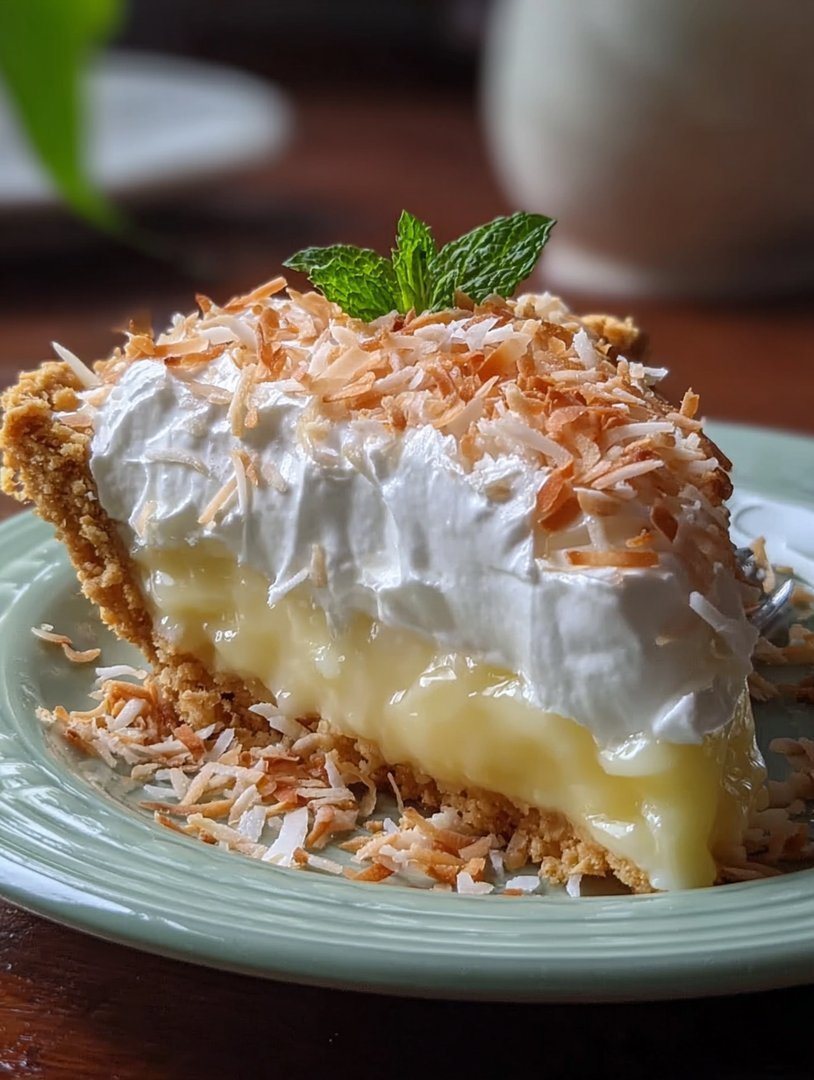
Start by blind-baking your crust until perfectly golden; this prevents sogginess. While the crust cools, prepare the coconut custard on the stovetop, whisking constantly until it thickens dramatically. Chill the filling thoroughly before topping with whipped cream to ensure that the pie sets correctly and maintains its majestic structure.
Add Your Touch
For a zingy twist, add a teaspoon of fresh lime zest to the custard base—it brightens the flavor beautifully. If you prefer a nuttier profile, swap half the alcohol-free vanilla extract for alcohol-free almond extract. Vegan alternative: use full-fat coconut milk and a plant-based gelling agent like agar-agar instead of eggs and dairy.
I once took this pie to a neighborhood potluck, and a typically reserved neighbor chased me down the driveway just to beg for the recipe. That’s when I knew this version was truly the champion.
Expert Tips from the Kitchen
- Temper your egg yolks properly by slowly adding hot milk mixture before returning them to the pot; this prevents scrambling and guarantees a smooth custard.
- Always use full-fat, canned coconut milk for the deepest flavor and creamiest texture; the low-fat stuff simply won’t cut it here.
- Toast the shredded coconut low and slow in a dry skillet until it’s lightly golden. This step intensifies the tropical aroma and crunch dramatically.
Storing & Reheating
Store leftover slices in an airtight container in the refrigerator for up to four days. Do not freeze the pie once it has been topped, as the whipped cream will separate and become grainy upon thawing. If you need to make it ahead, store the crust and filling separately, assembling just before serving.
Frequently Asked Questions About Coconut Cream Pie
We know you have questions about making this glorious dessert. Here are the answers to the most common queries we receive in the kitchen.
How do I prevent the pie crust from getting soggy?
The key to a non-soggy crust is blind-baking the pastry fully and ensuring the crust is completely cool before adding the filling. Additionally, covering the baked crust with a thin layer of melted white chocolate (or egg white wash) before pouring in the cooled custard can create an extra moisture barrier.
Can I use fresh coconut instead of shredded?
Absolutely! Freshly grated coconut provides an even richer flavor. You will need about 2 cups of fresh coconut meat for the filling. If using fresh, make sure to gently heat it with the milk mixture to extract maximum flavor before thickening the custard.
Why didn’t my coconut cream pie filling thicken?
The most common reasons for a runny filling are not heating the custard long enough or inaccuracies in measuring the cornstarch and flour. The mixture must reach a boil and simmer for 1–2 minutes while whisking vigorously after the mixture has visibly thickened to activate the starches fully. It should look quite thick before chilling.
How long does the pie need to chill?
To achieve the perfect sliceable consistency, the custard needs a minimum of 6 hours in the refrigerator, but 8 hours or overnight is preferable. Attempting to slice it too early will result in a messy, semi-liquid filling that refuses to hold its shape. Patience is truly a virtue when making The Absolute Best Coconut Cream Pie.
Conclusion for The Absolute Best Coconut Cream Pie
We embarked on a delicious adventure, and now you possess the blueprint for crafting a dessert that stops conversations:The Absolute Best Coconut Cream Pie. Remember that the magic is in the details—a perfectly blind-baked crust, deeply layered coconut flavors using both milk and toasted flakes, and that crucial chilling time that transforms liquid custard into pure, sliceable luxury. This pie is more than just a recipe; it’s a showstopper, a crowd-pleaser, and proof that the simplest ingredients often create the most profound joy. Go forth and conquer the dessert table with this creamy, tropical masterpiece!
Print
The Absolute Best Coconut Cream Pie
Achieve pie perfection! This custard utilizes 4 egg yolks, demanding constant stirring for a velvety texture. Master the 1-minute boil for ultimate set.
- Total Time: 35 minutes
- Yield: 4 servings 1x
Ingredients
- 1 (9-inch) pre-baked deep-dish pie crust
- 1 1/2 cups granulated sugar
- 1/2 cup cornstarch
- 4 large egg yolks
- 2 cups whole milk
- 1 cup heavy cream
- 1 teaspoon pure alcohol-free vanilla extract
- 2 cups sweetened shredded coconut, divided (1 1/2 cups for filling, 1/2 cup for topping)
Instructions
- Step 1: In a large saucepan, whisk together the sugar, cornstarch, and a pinch of salt. In a separate bowl, whisk the egg yolks, whole milk, and heavy cream until fully combined. Gradually pour the liquid mixture into the dry ingredients, whisking constantly until smooth.
- Step 2: Cook the custard mixture over medium heat, stirring constantly with a rubber spatula, scraping the bottom and sides of the pan frequently. Once the mixture thickens significantly and comes to a gentle boil, continue to boil for 1 full minute to ensure the cornstarch is cooked out.
- Step 3: Remove the saucepan from the heat. Stir in the alcohol-free vanilla extract and 1 1/2 cups of the sweetened shredded coconut. Pour the hot filling immediately into the prepared pie crust, smoothing the top with the spatula.
- Step 4: Cover the surface of the pie filling directly with plastic wrap (to prevent a skin from forming) and refrigerate for a minimum of 4 hours, or preferably overnight, until the filling is completely set and chilled.
- Step 5: Just before serving, prepare fresh whipped cream and spread it over the chilled pie. Toast the remaining 1/2 cup of shredded coconut until golden brown, then sprinkle evenly over the whipped cream topping.
Notes
- For optimal freshness, store the pie (covered loosely) in the refrigerator for up to three days, remembering that it should not sit at room temperature for longer than two hours.
- This pie cannot be reheated; always serve chilled directly from the refrigerator to maintain the perfect custard consistency and food safety.
- To guarantee a perfectly set filling without any starchy aftertaste, make certain the custard mixture comes to a full, rolling boil and cooks for 1 minute while stirring vigorously.
- Elevate the visual appeal by grating a little fresh lime zest over the toasted coconut topping just before serving; the slight acidity beautifully complements the creamy sweetness.
- Prep Time: 15 minutes
- Cook Time: 20 minutes
- Method: Stovetop
- Cuisine: American
FAQs
Why does my coconut filling sometimes weep or become runny?
A runny filling usually indicates that the cornstarch or plant-based gelling agent didn’t fully activate or you didn’t cook the mixture long enough. For achieving the decadent, sliceable texture required forThe Absolute Best Coconut Cream Pie, make sure you bring the mixture to a full, rolling simmer for at least one minute while whisking constantly. If you live in a humid environment, you might consider adding a touch more cornstarch or a pinch of agar-agar to ensure structural integrity. Proper cooling time is also non-negotiable; patience yields perfection!
Should I pre-bake the crust for The Absolute Best Coconut Cream Pie?
Absolutely, pre-baking or ‘blind baking’ the crust is essential for preventing a soggy bottom—a culinary tragedy we must avoid at all costs. Since this cream pie has a rich, wet filling that requires significant chilling time, baking the crust completely beforehand ensures a crisp, flaky foundation. Use pie weights or dried beans during the first phase of baking to keep the sides from collapsing. Once cooled, brush the inside with a thin layer of melted white chocolate or egg wash before filling to create a moisture barrier. This step guarantees structural bliss for your homemade treat.
What is the secret to getting the richest coconut flavor in The Absolute Best Coconut Cream Pie?
The secret lies in layering your coconut flavor sources. Don’t rely solely on sweetened flakes! For maximum impact, use a combination of canned full-fat coconut milk and cream of coconut in the custard base. Even better, toast some of the shredded coconut lightly before incorporating it into the filling, which deepens the nuttiness and provides a lovely complexity. Finally, garnish generously with fresh, unsweetened flakes right before serving. This trifecta of flavor delivery makes this recipe truly earn the title ofThe Absolute Best Coconut Cream Pieyou will ever taste.
How long does this amazing coconut dessert stay fresh?
If stored correctly, this luxurious cream pie will maintain its peak deliciousness for about three to four days in the refrigerator. Due to the creamy custard base, it is critical to keep the pie tightly covered with plastic wrap, especially if you have used a traditional meringue topping, as it tends to weep slightly over time. If you opt for a stabilized whipped topping instead, the pie structure will hold up slightly longer. Always chill the pie thoroughly before serving, and never leave it sitting out at room temperature for more than two hours.






Leave a Comment